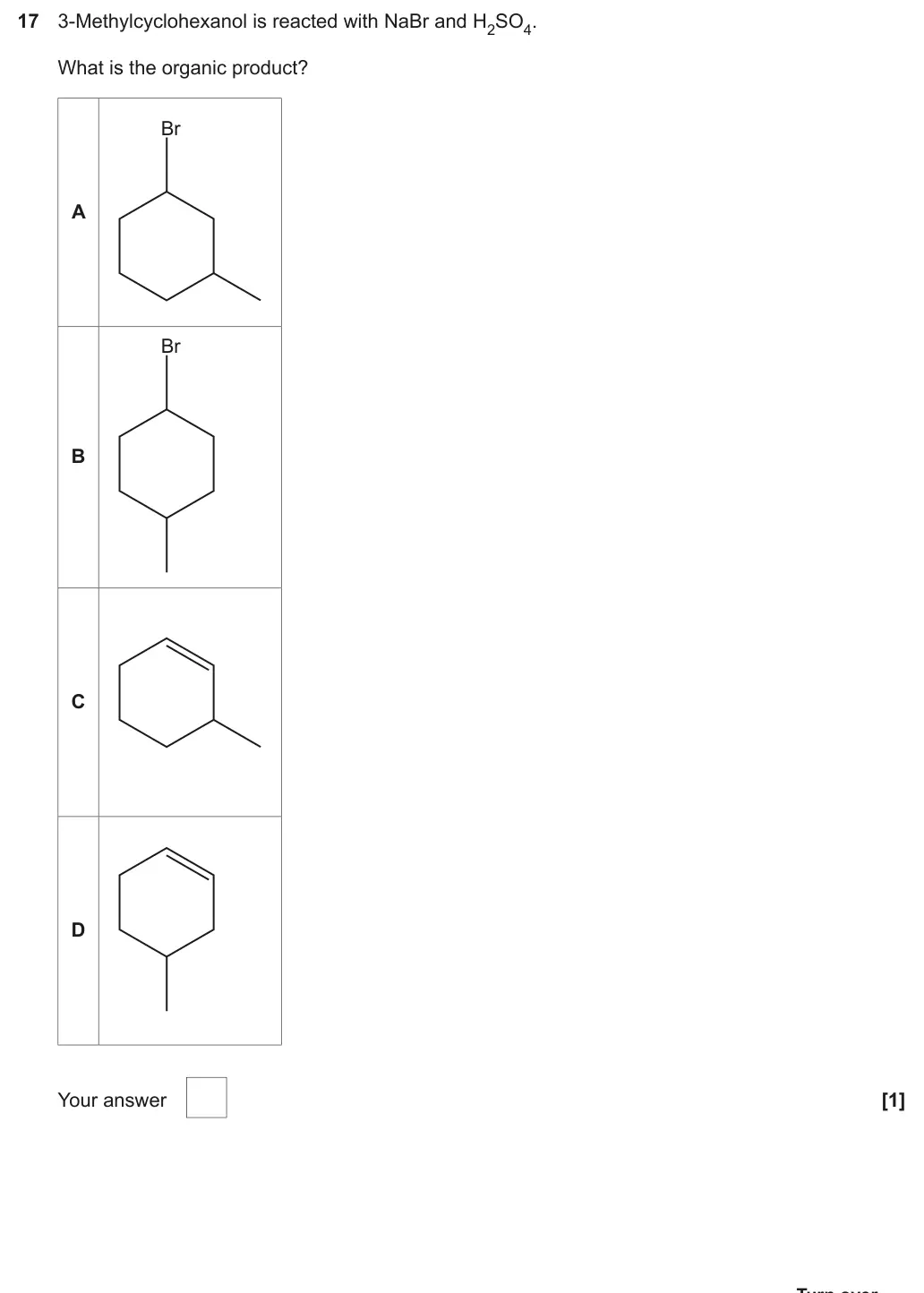
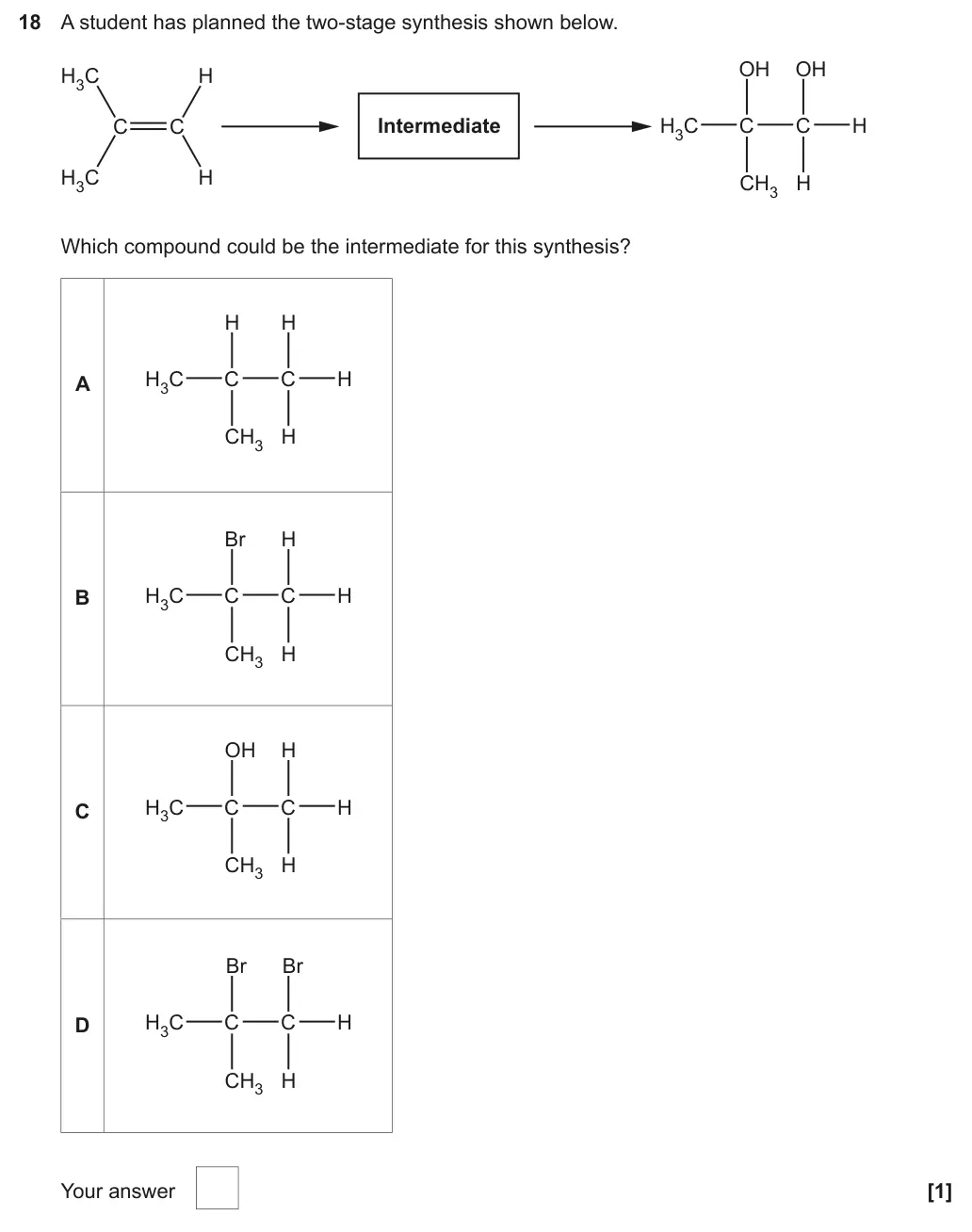
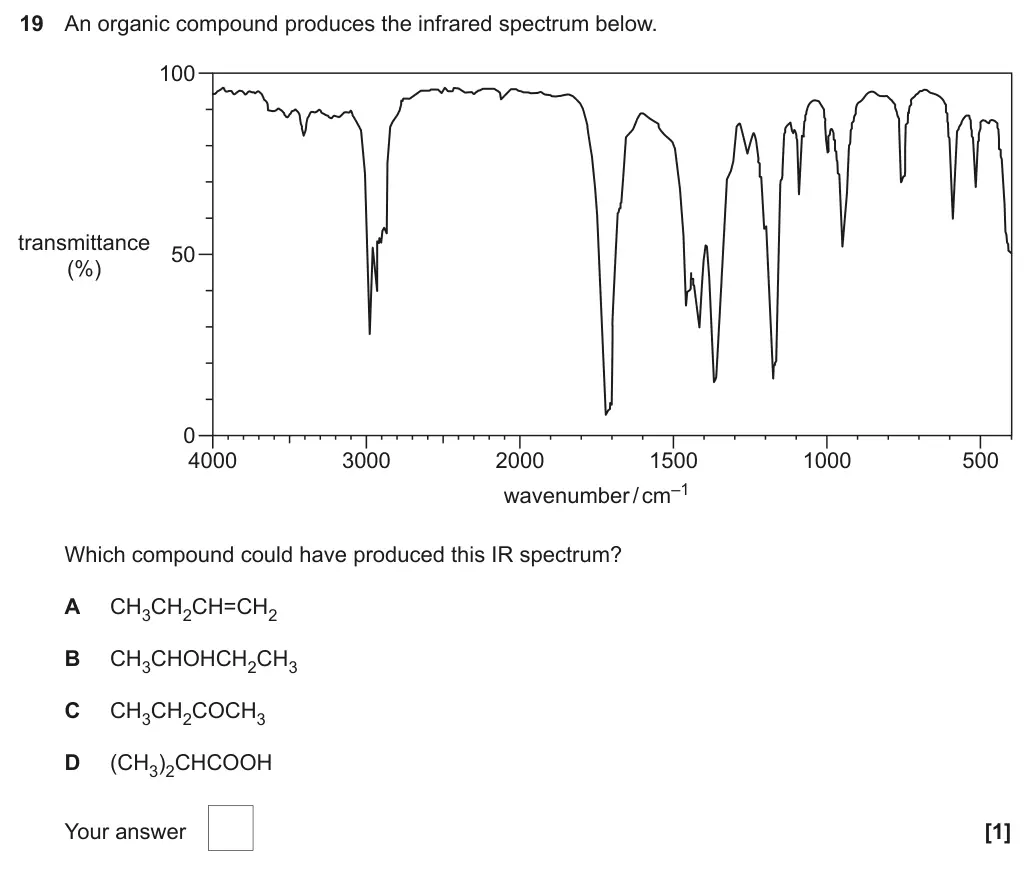
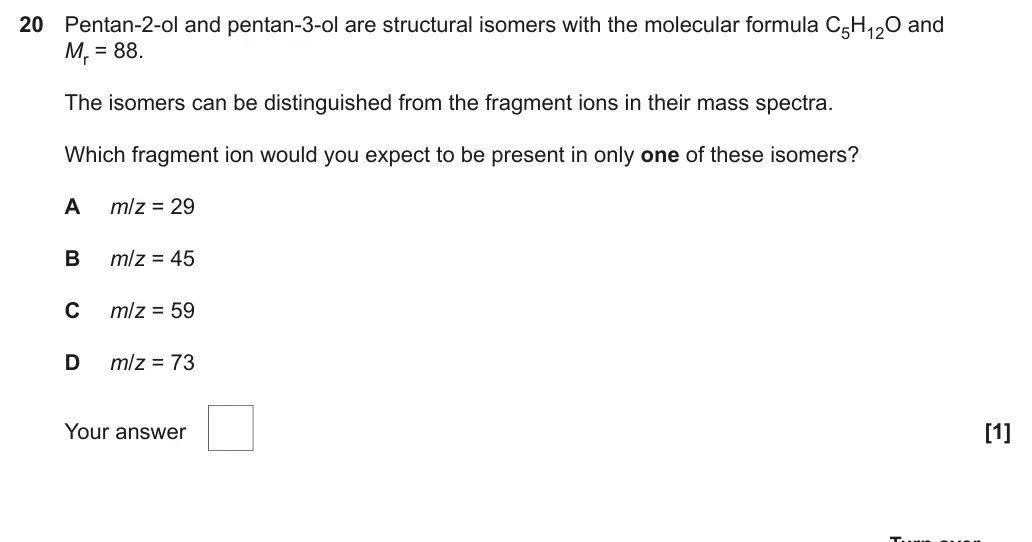
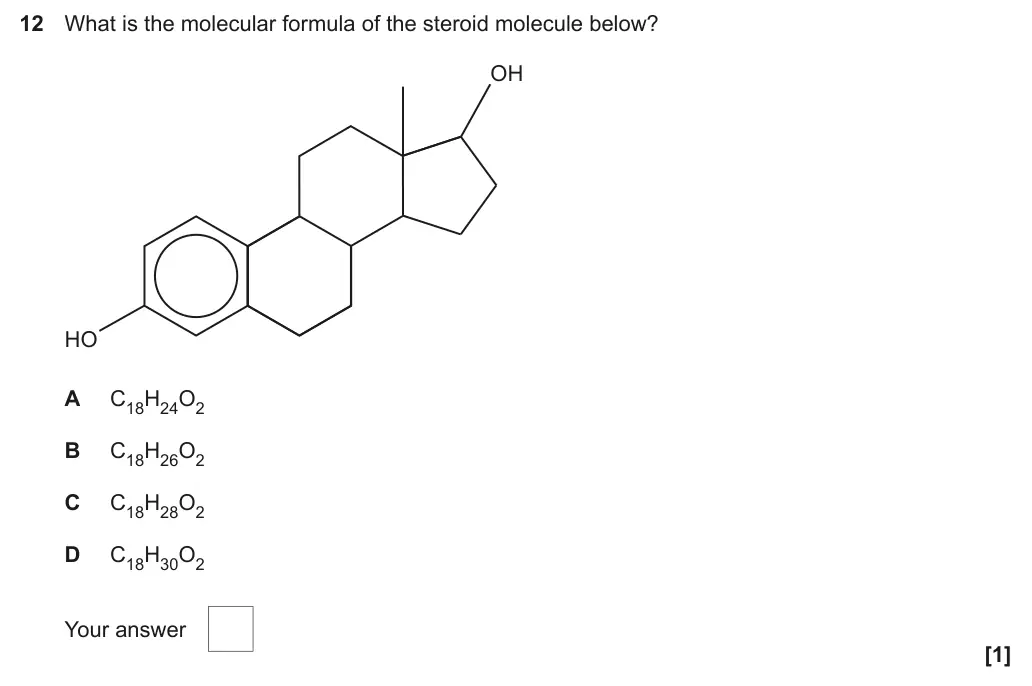
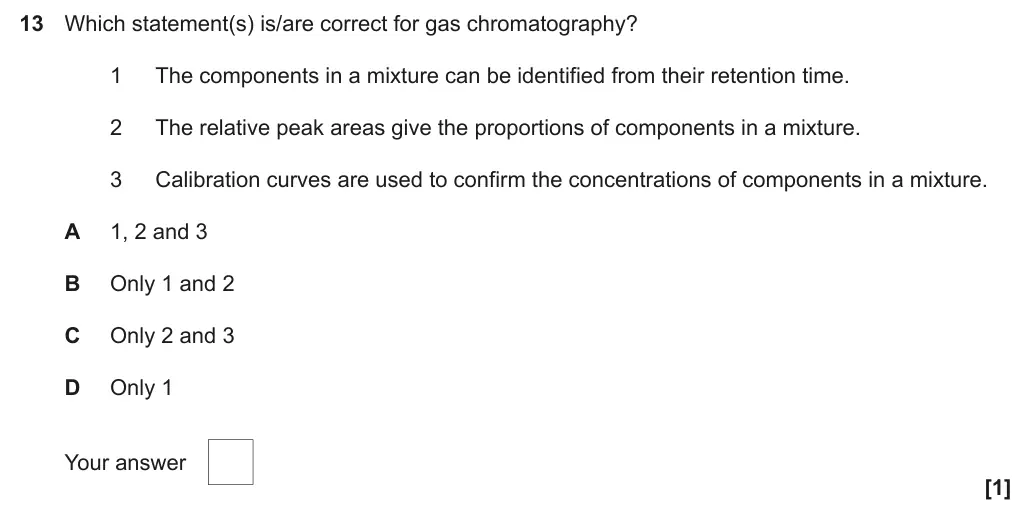
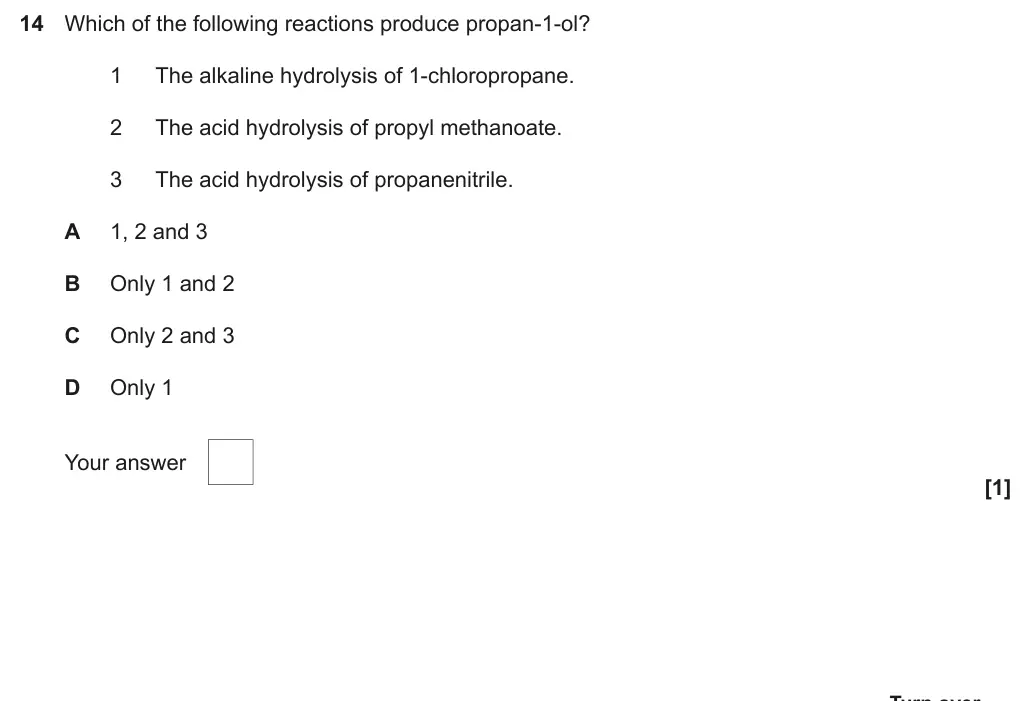
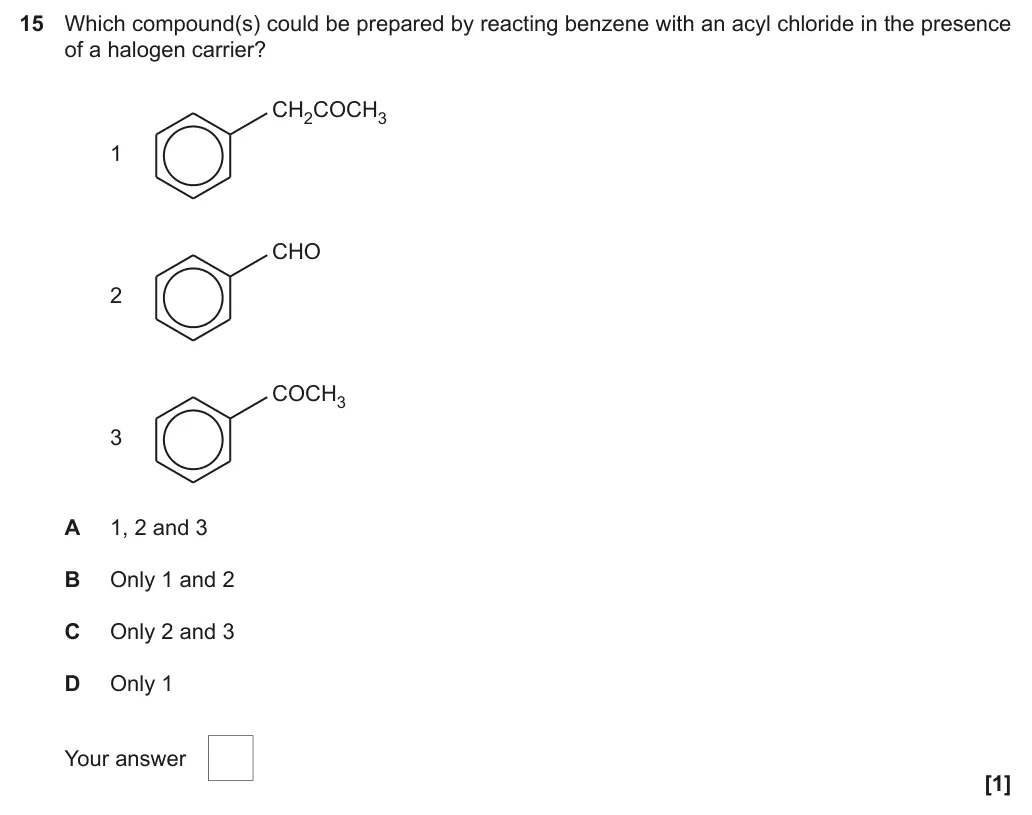
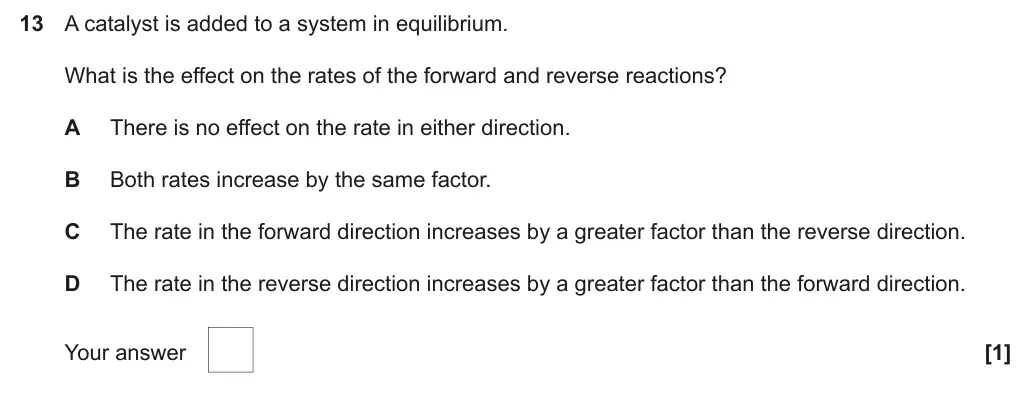
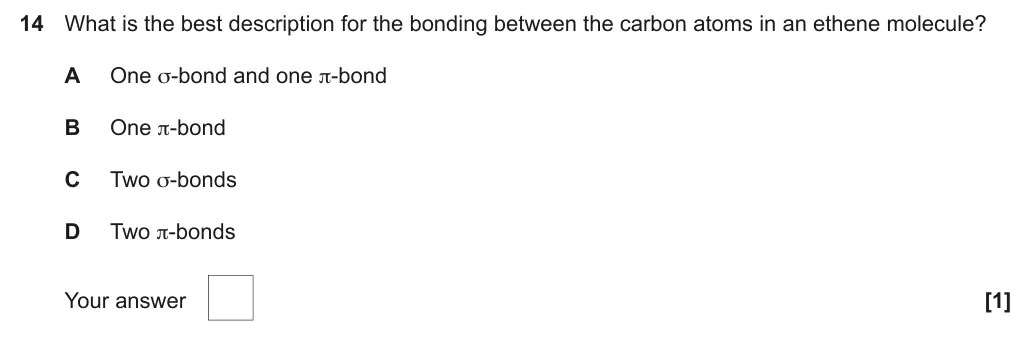
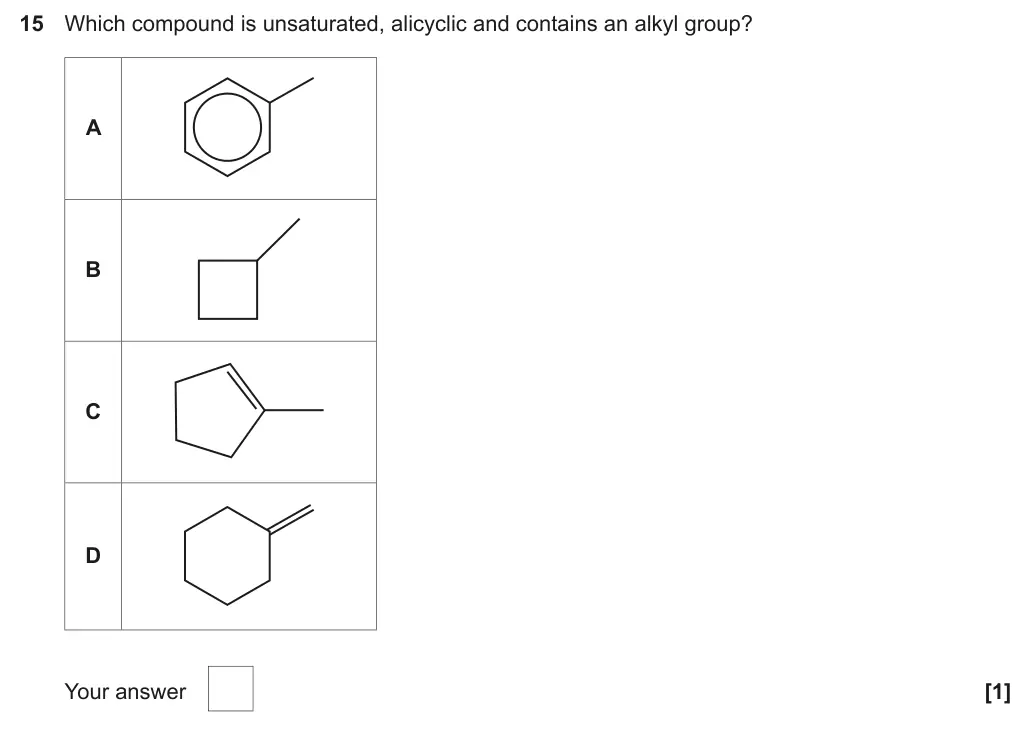
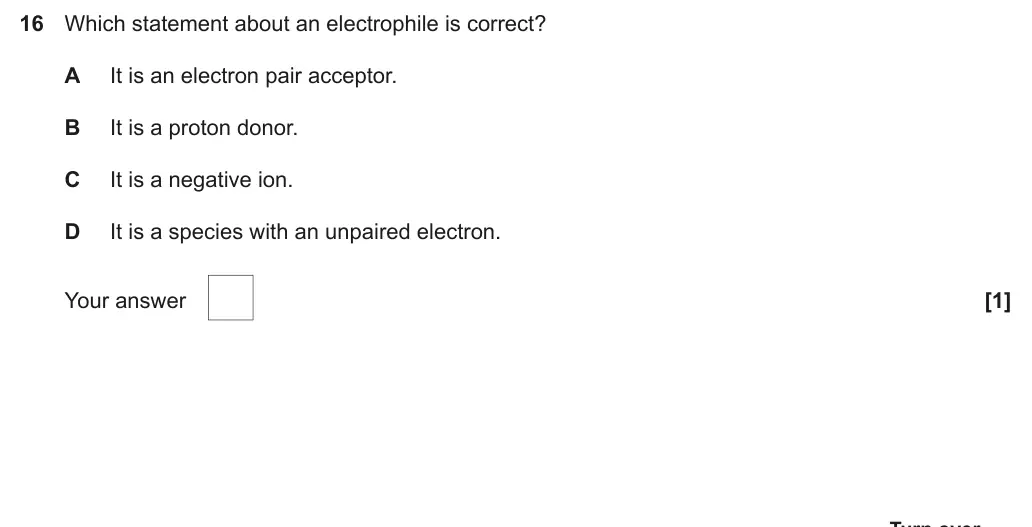
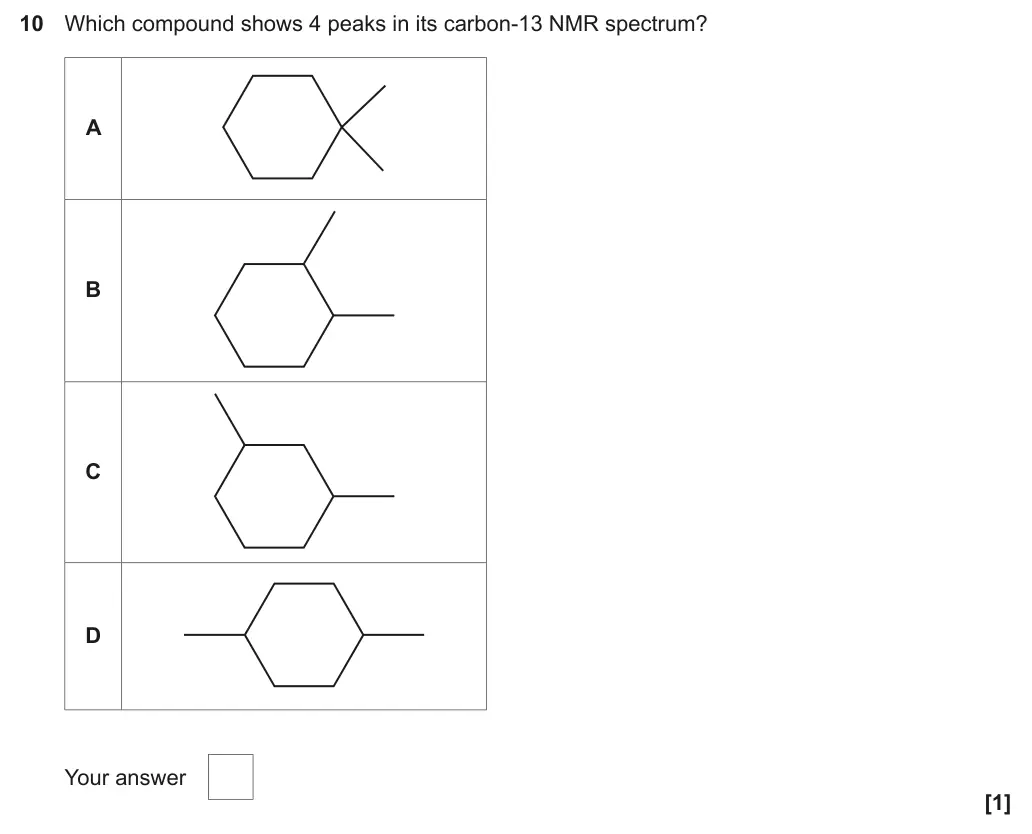
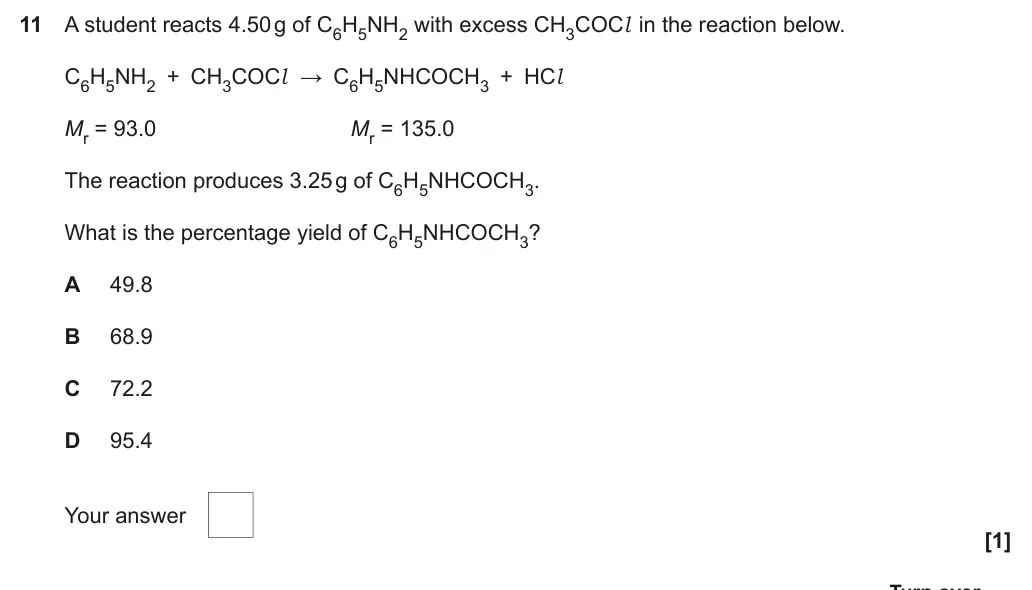
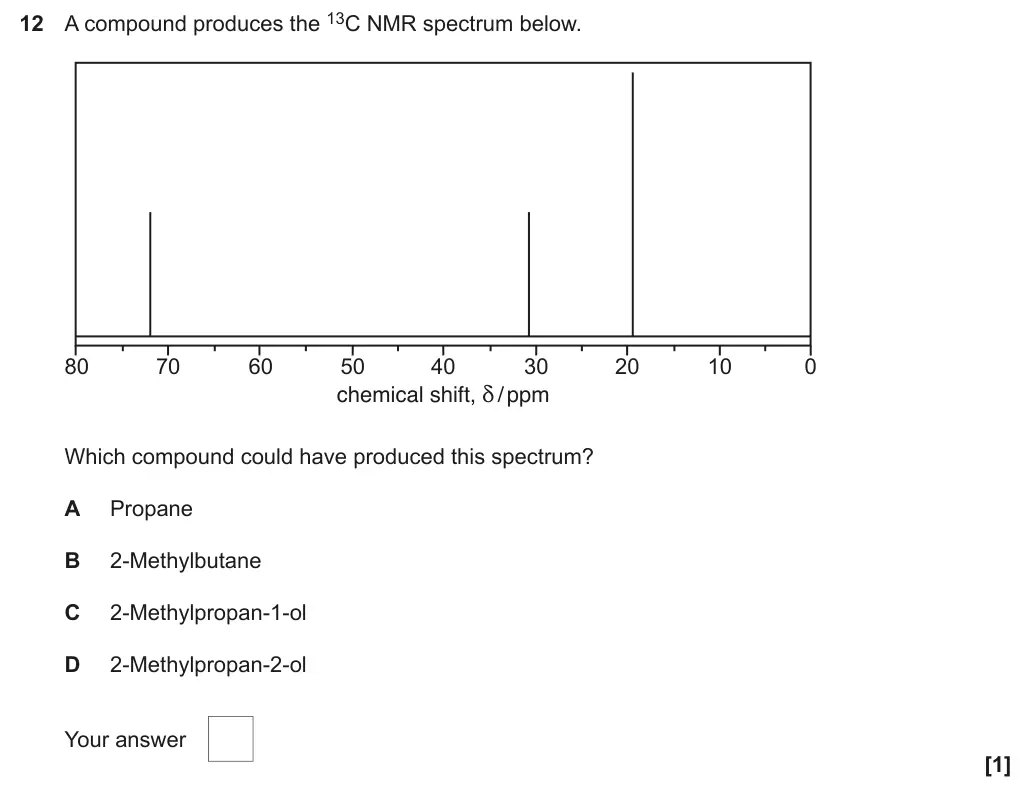
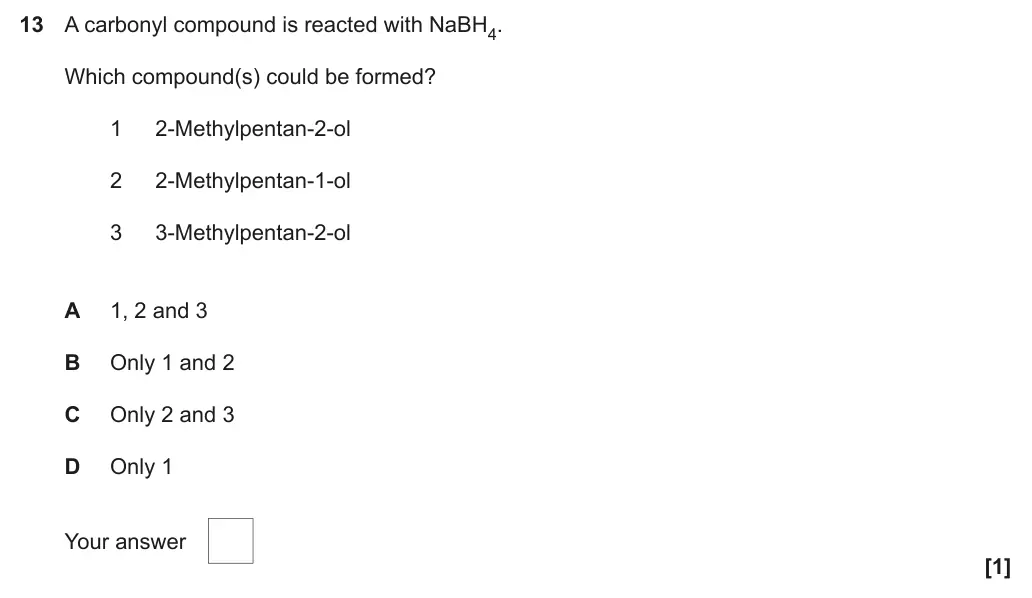
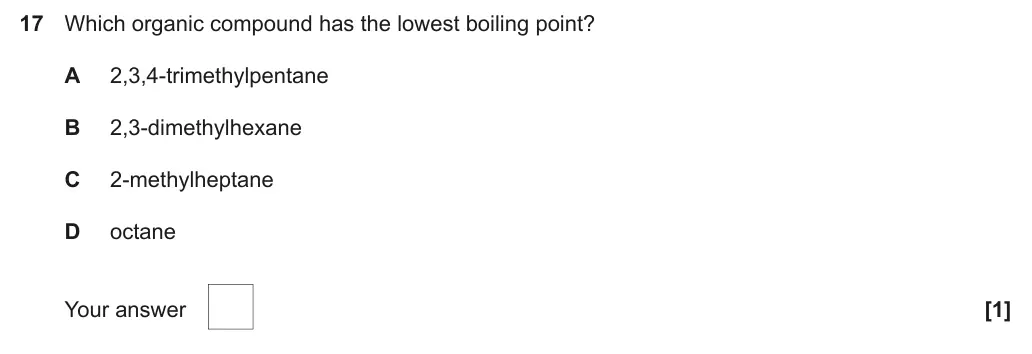
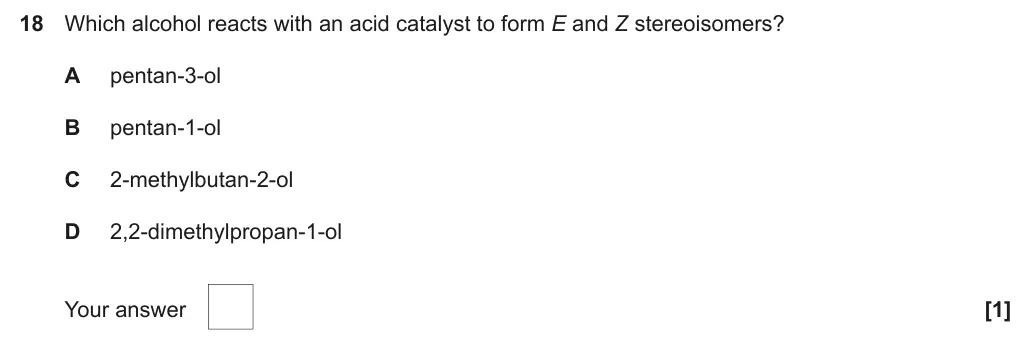
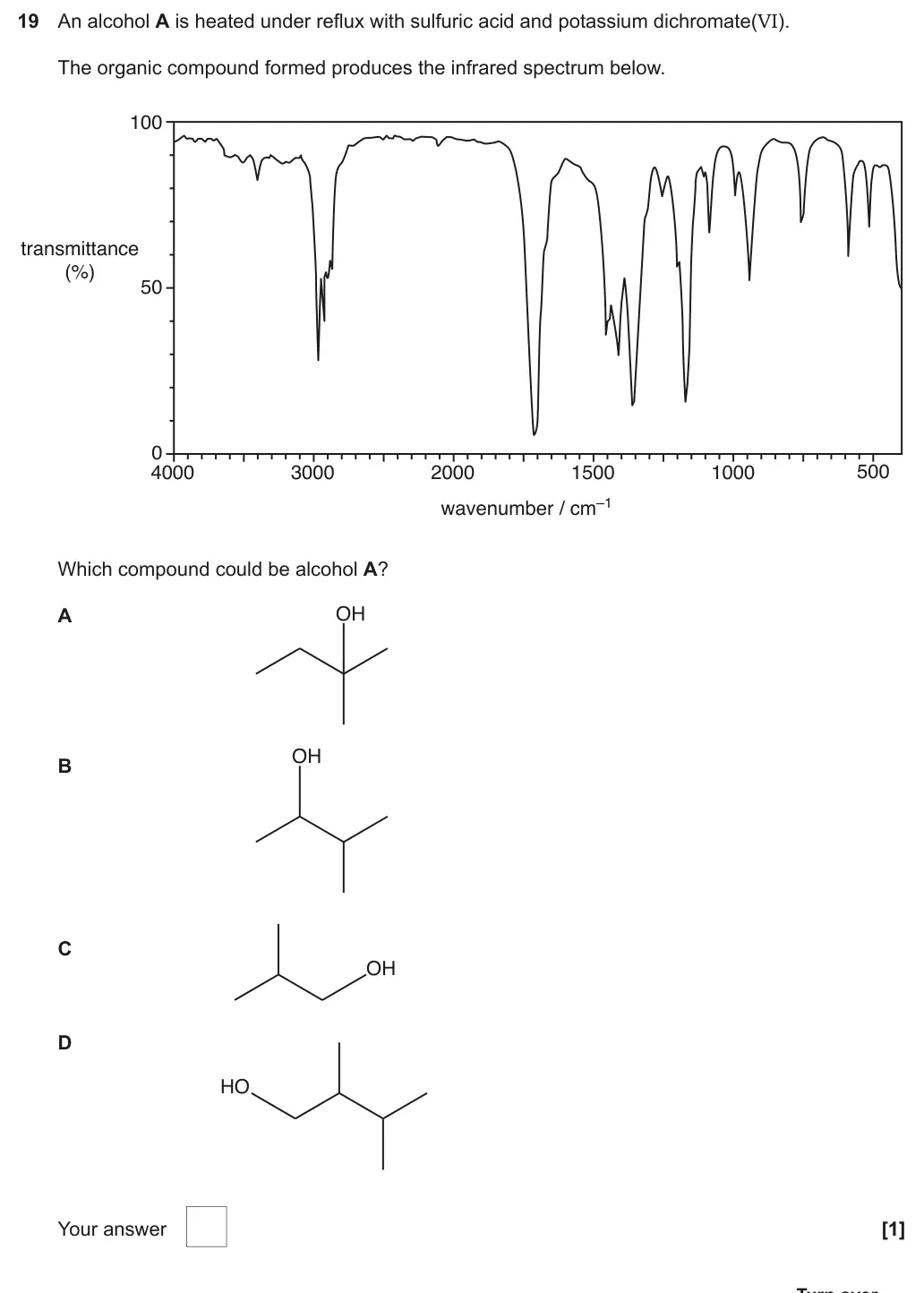
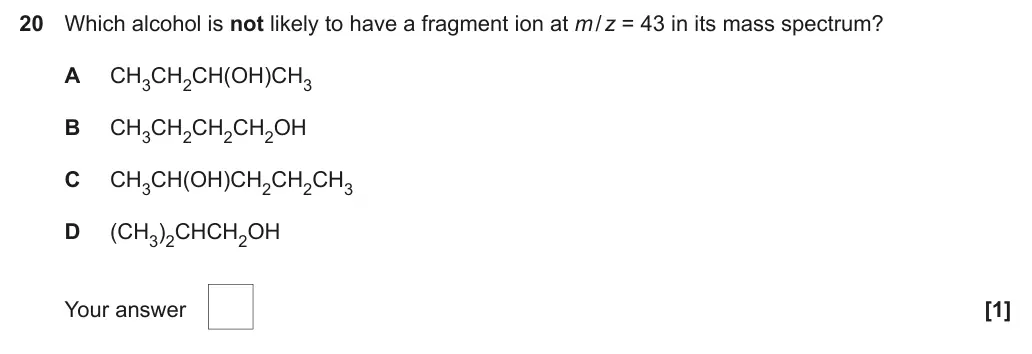
Examiner's comment
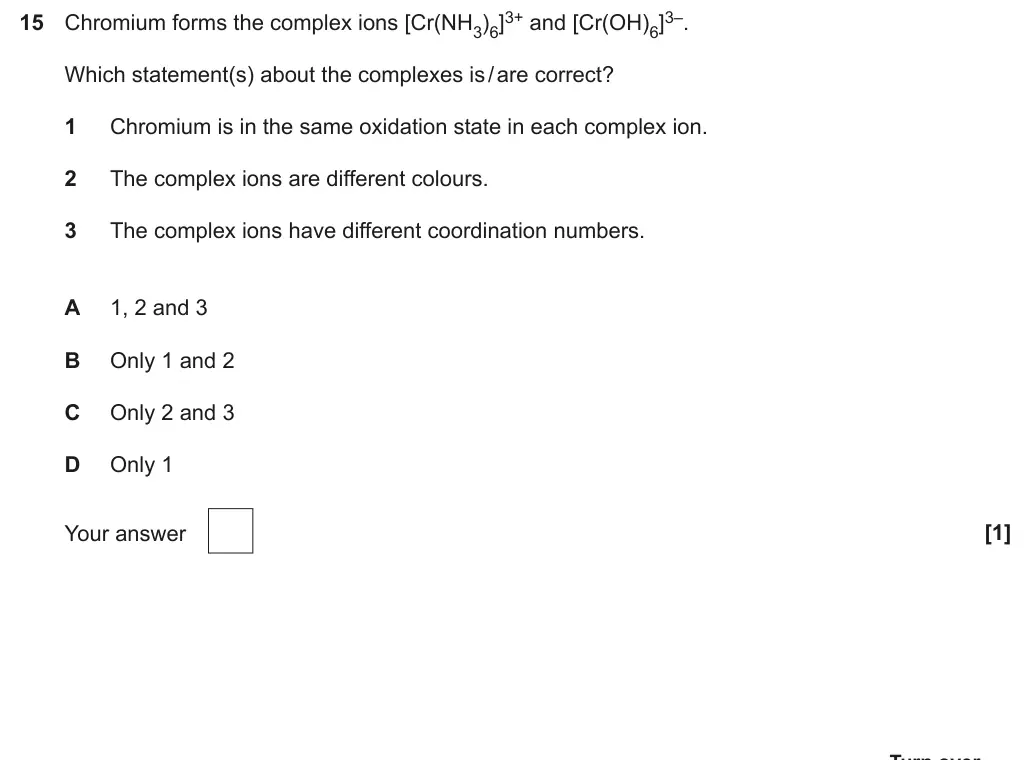
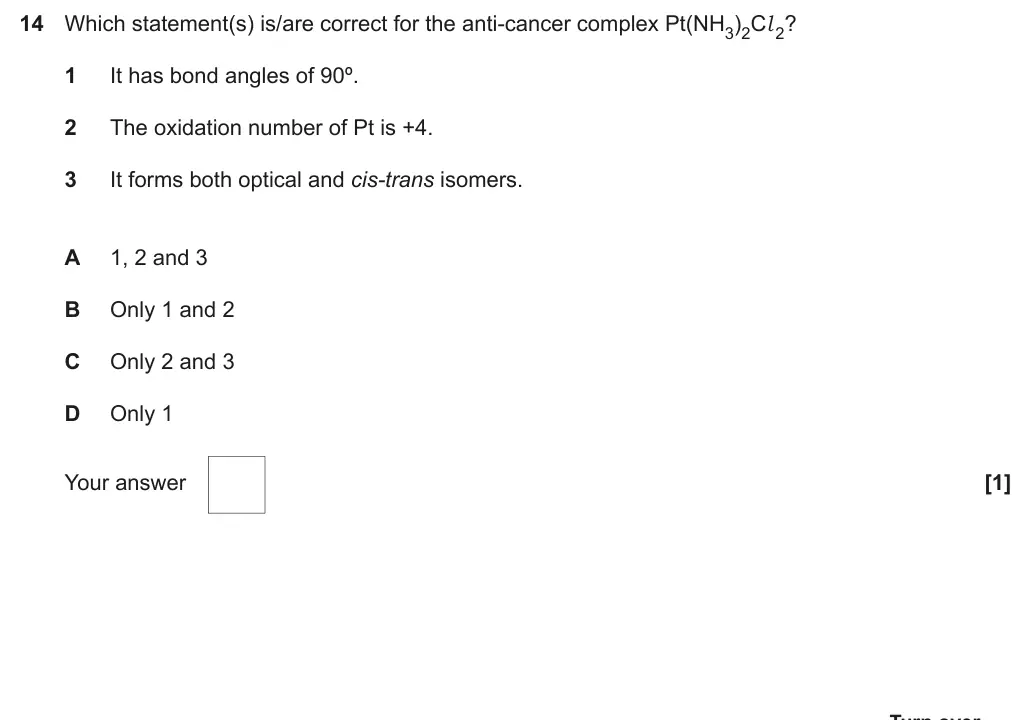
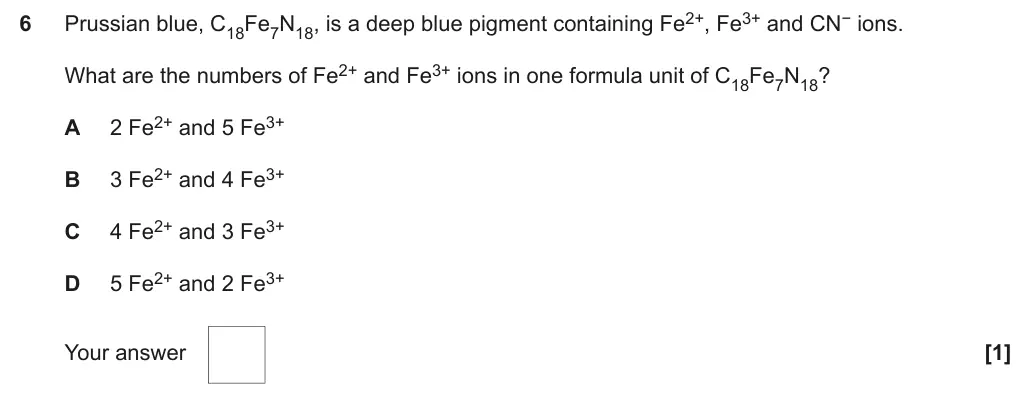
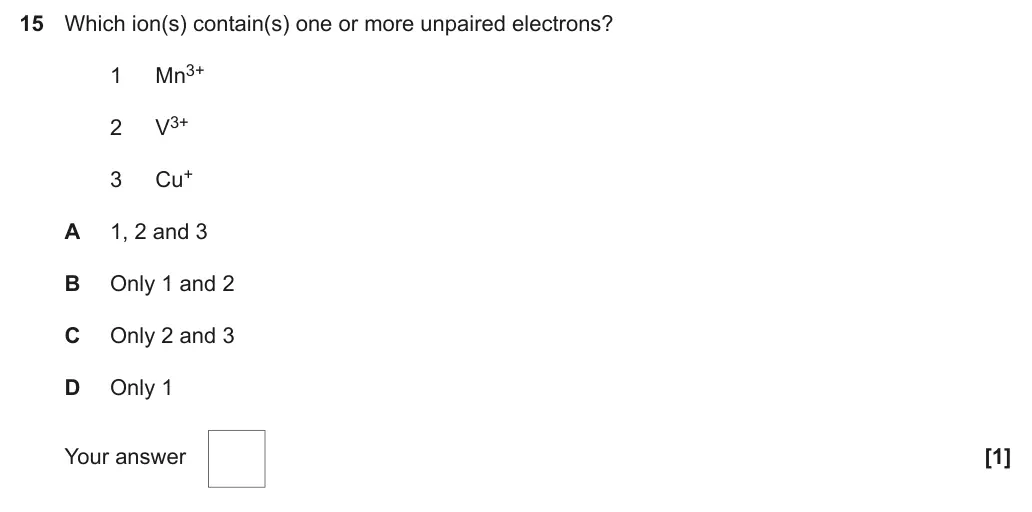
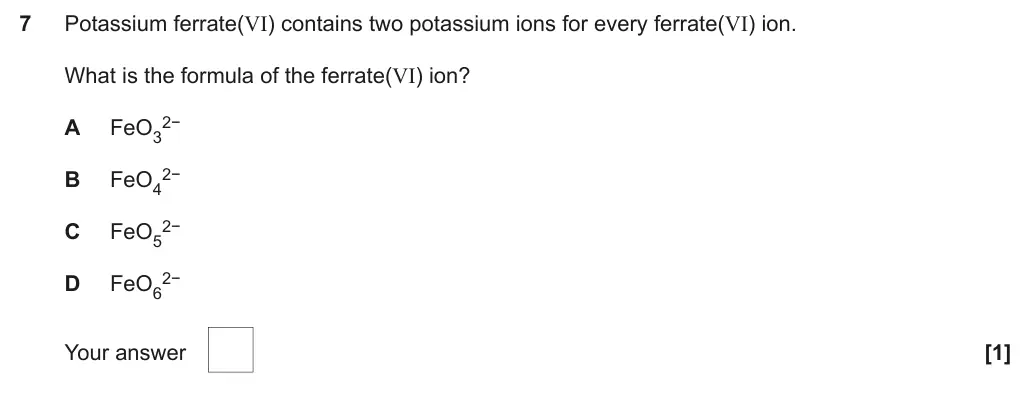
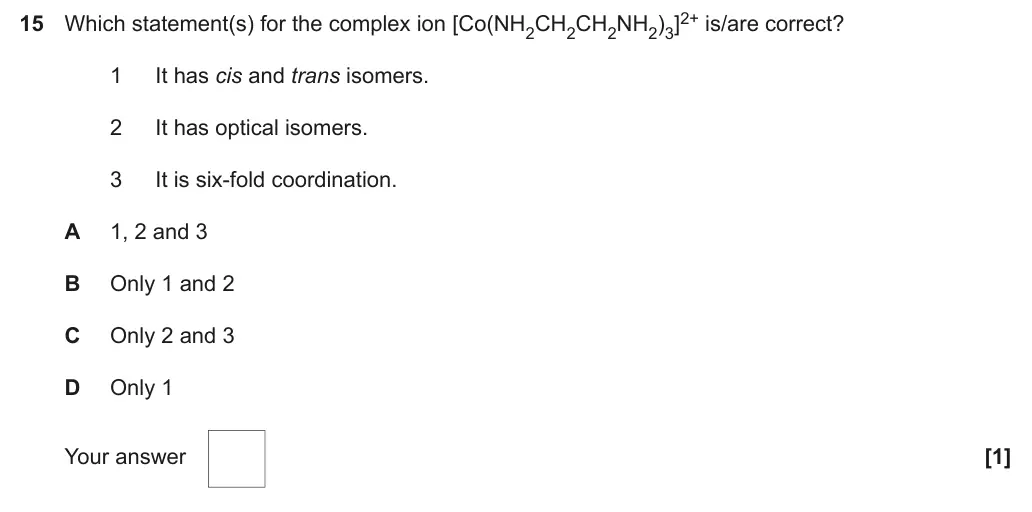
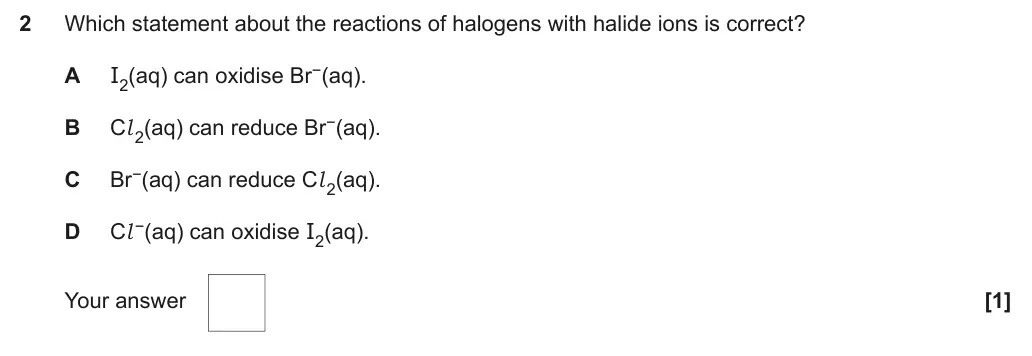
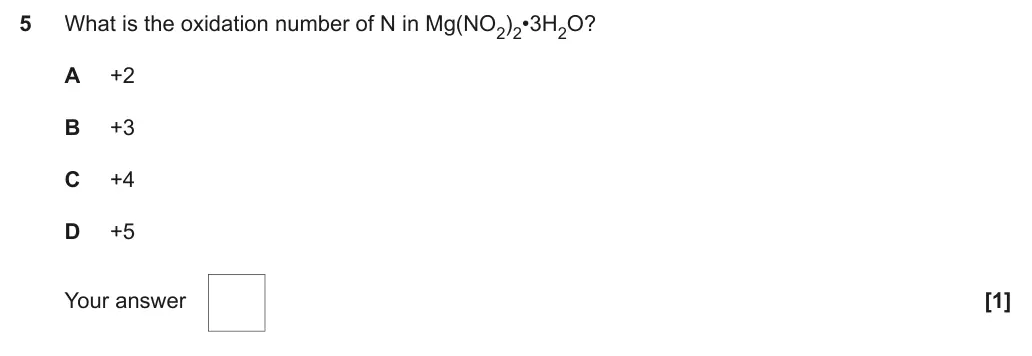
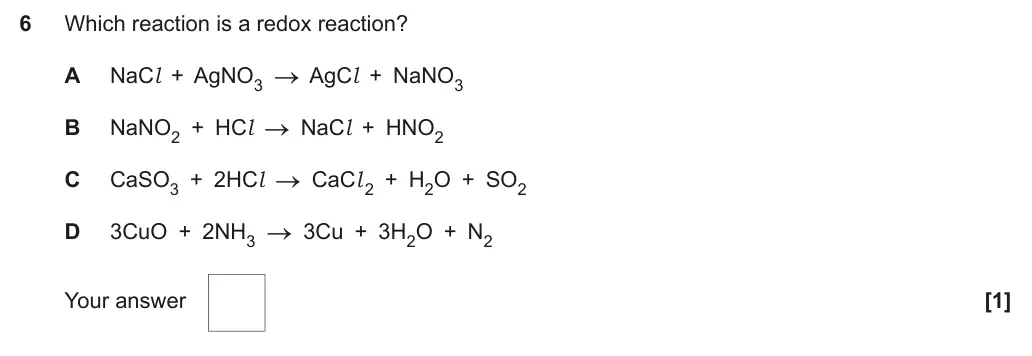
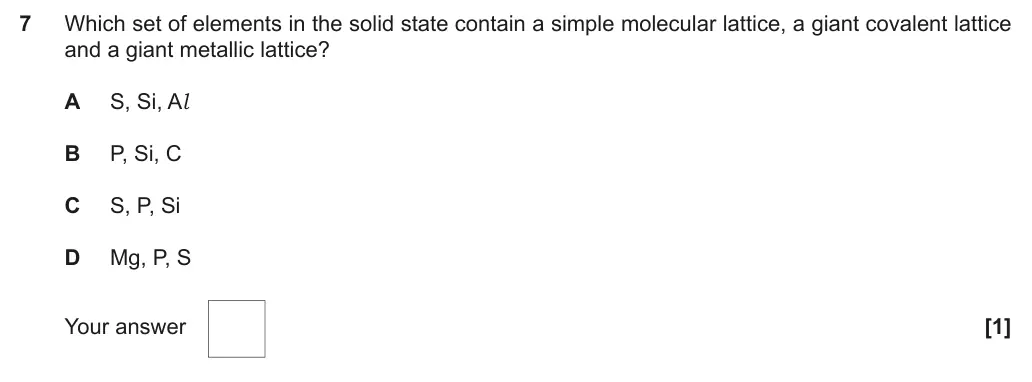
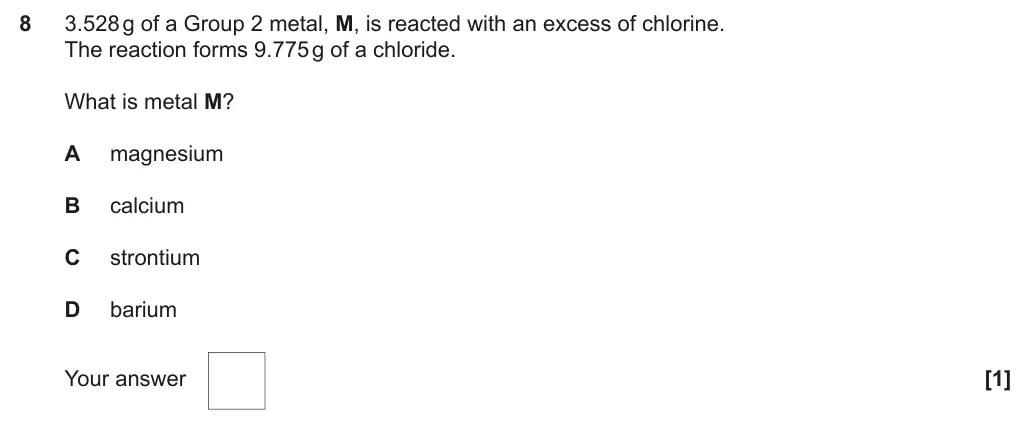
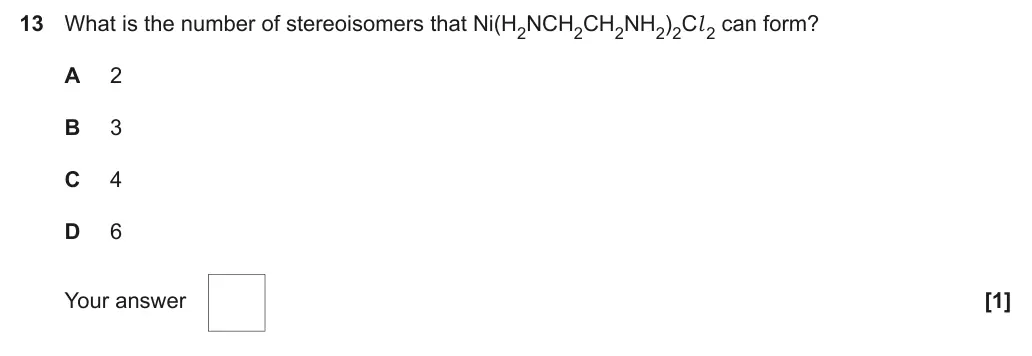
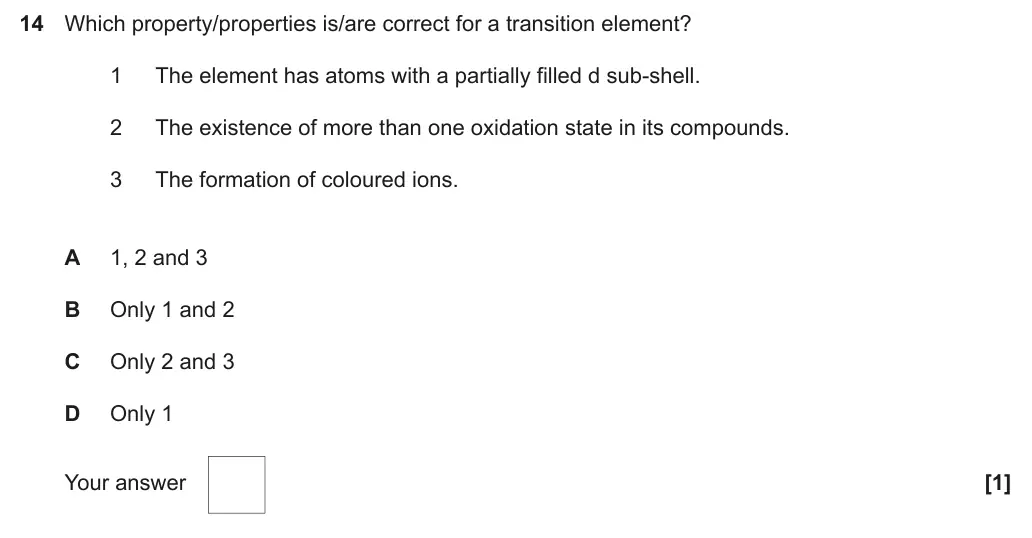
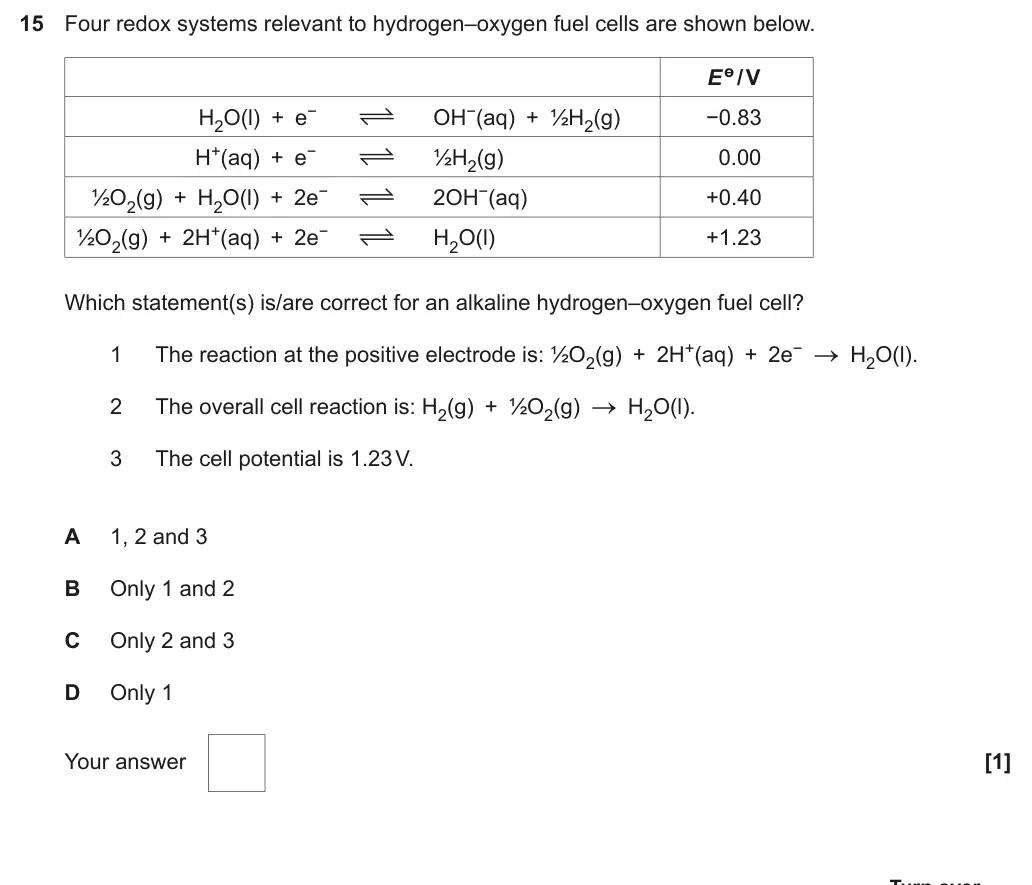
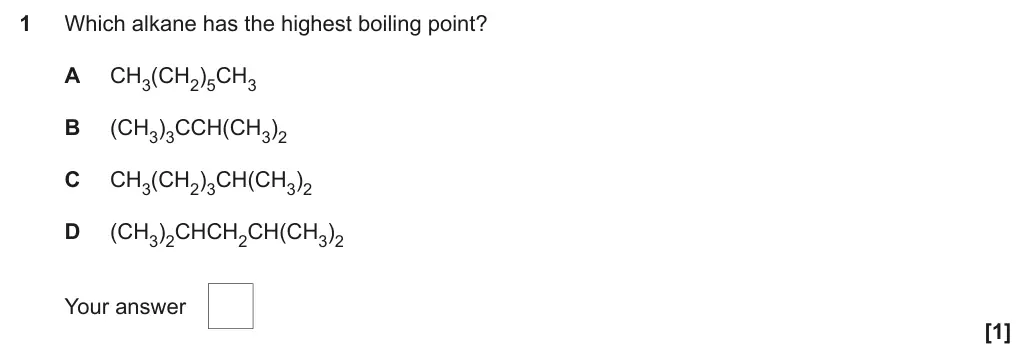
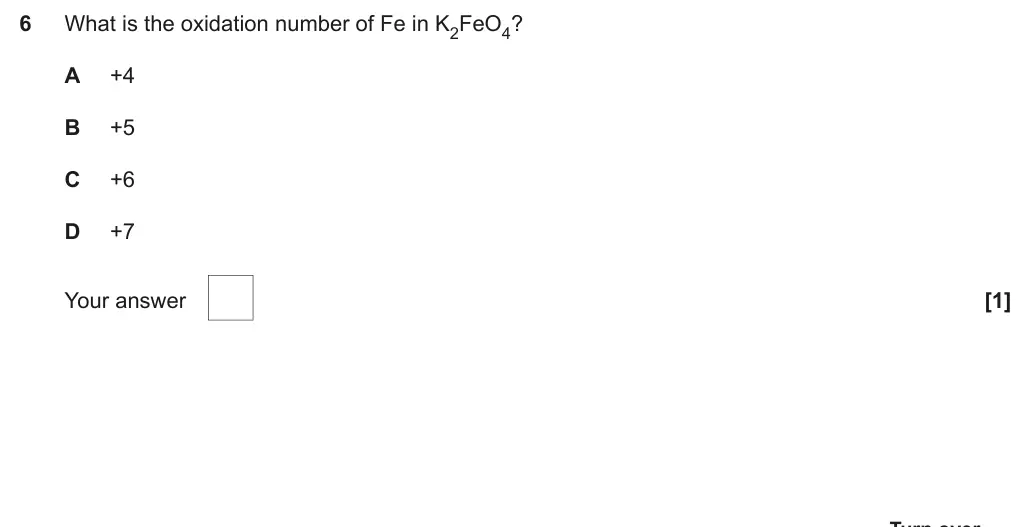
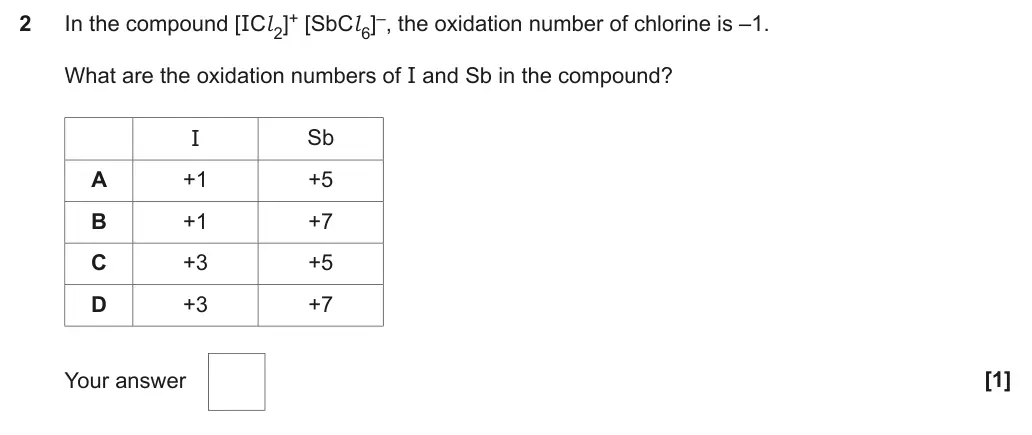
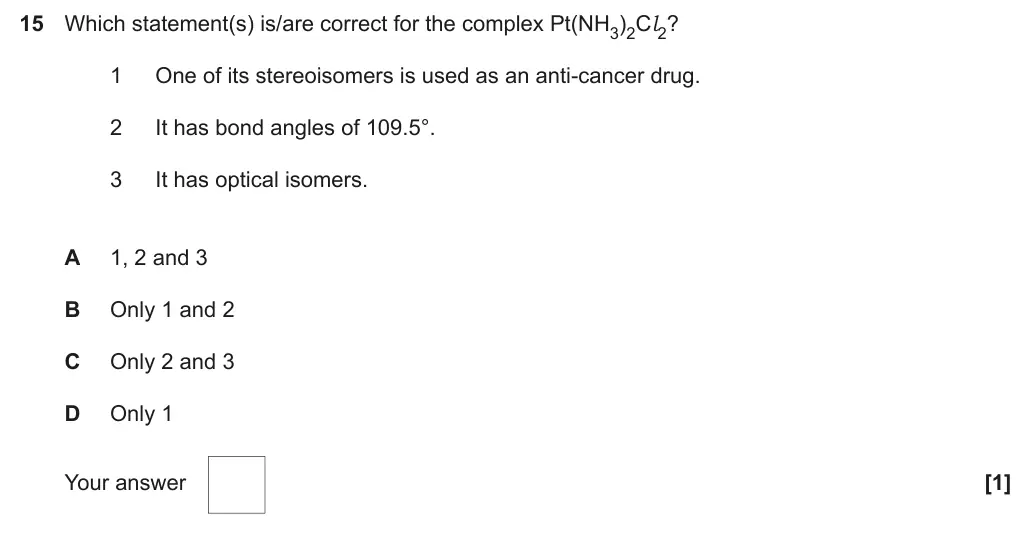
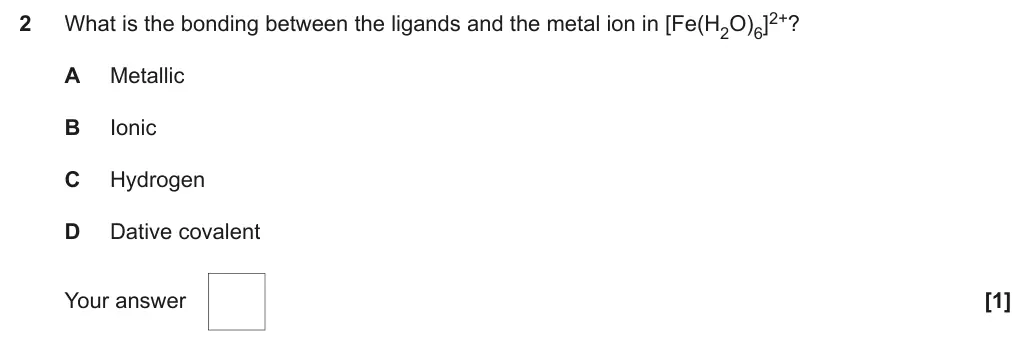
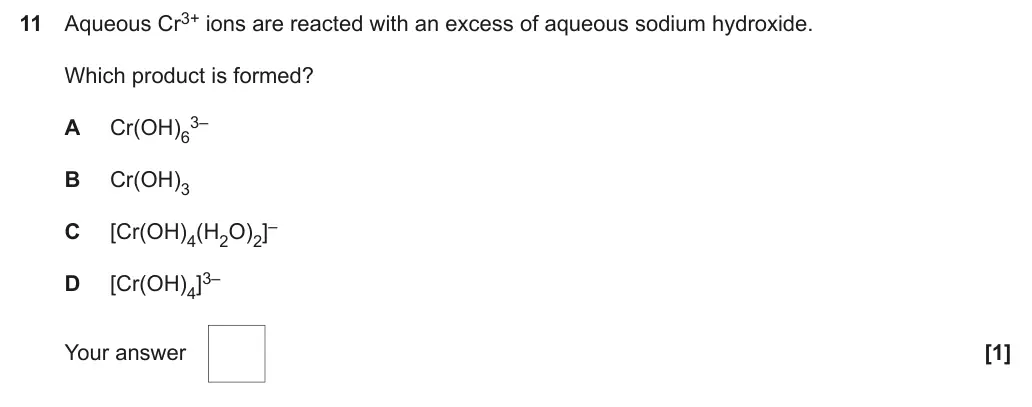
The correct answer was B. Most candidates chose the correct answer but a few selected C or D as they were unsuccessful in assigning oxidation numbers or coordination numbers to the given complex ion. Section B overview The section contained questions from all aspects of modules 1, 2, 3 and 5 of the specification. Candidates found many of the questions, including those with an extended response nature, relatively straightforward and the majority managed to cope with the mathematical content. As a rule, candidates should aim to use unrounded calculator values in their intermediate calculations to avoid rounding errors in their final answer. Candidates should be reminded to present their numerical working clearly. They should also be advised to avoid leaving two different solution approaches without crossing one of them out. If they need to restart an answer, they would be well advised to make use of additional space as necessary rather than trying to write their answers in the margins with the order of steps difficult to follow. In more complicated calculations, where multiple different chemical species and quantities are involved, using appropriate symbols and subscripts/descriptors in brackets, as well as units, helps appropriately identify numbers provided as amounts in moles/concentrations/masses. Some candidates were less confident and knowledgeable of content shared with the AS specification and traditionally taught earlier on in the course. These were specifically: structure and bonding, reaction rates and redox reactions of the halogens. Candidates wrote far more than was necessary in some responses. Candidates should avoid repeating sentences which often introduce contradictions at the end of the response when expanding on written answers. Where candidates make use of additional space, it would be worth reminding them to write down the full question part: in many cases where questions had a number, part and subpart, the part or subpart was missing (or incorrect).