June 2023: AS Paper 2, Core Organic and Physical Chemistry

80 marks · 43 question parts · Paper, mark scheme and report on Edexcel's site · Have the Data Booklet beside you

Question by question

QTopicMarksAOType
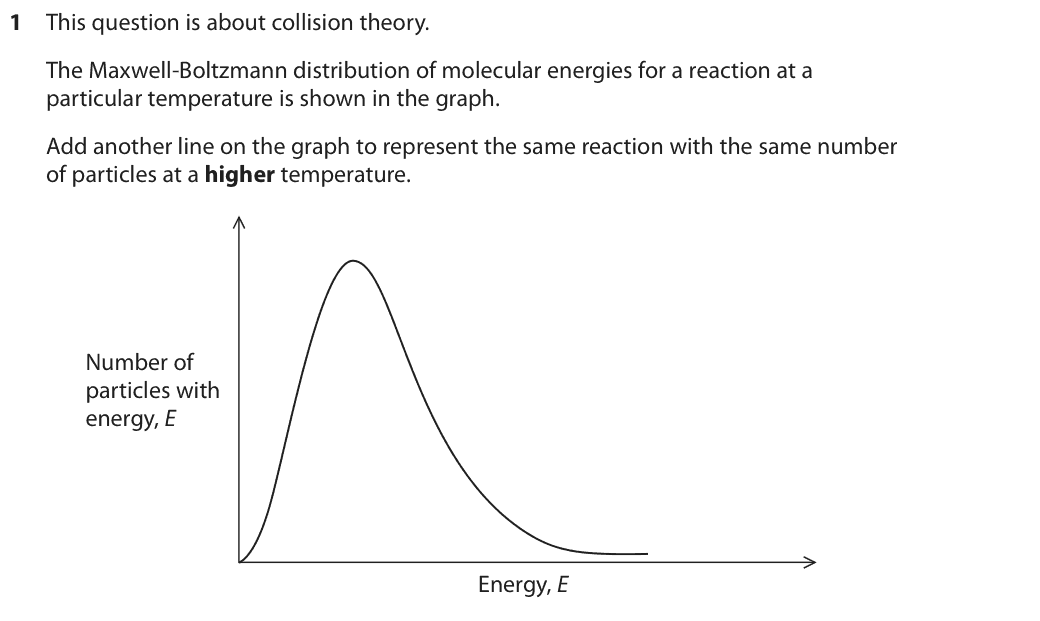
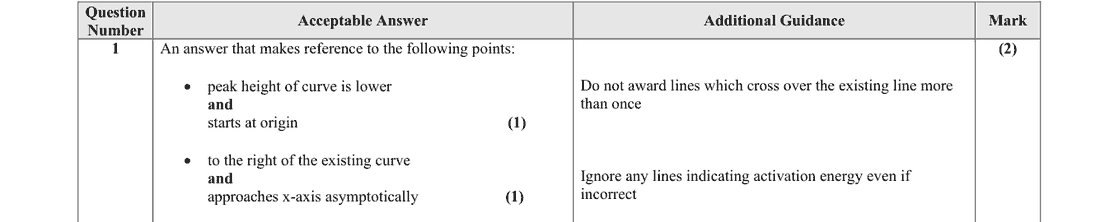
1 Kinetics I 2Diagram or structure
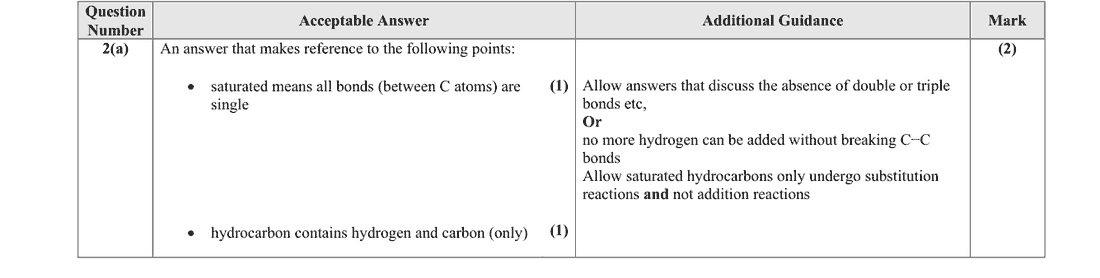
2(a) Alkanes, Introduction to organic chemistry 2Short answer
2(b)(i) Alkanes, Formulae, equations and amounts of substance 1Equation writing
2(b)(ii) Formulae, equations and amounts of substance 2Calculation
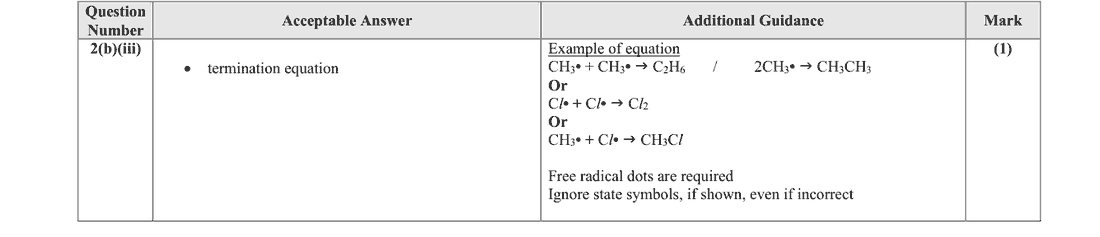
2(b)(iii) Alkanes 1Equation writing
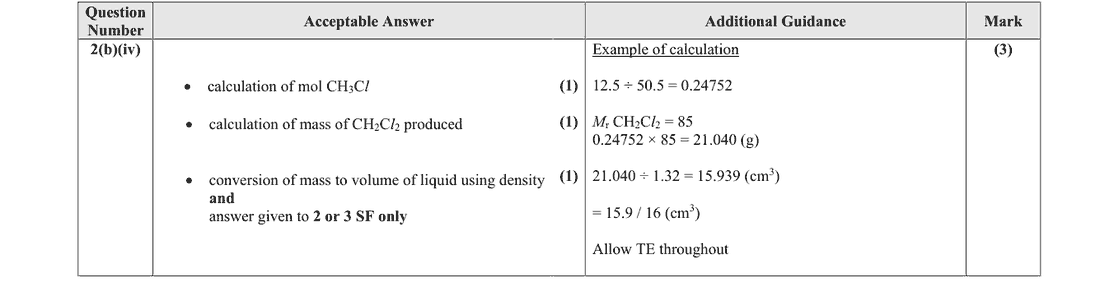
2(b)(iv) Formulae, equations and amounts of substance 3Calculation
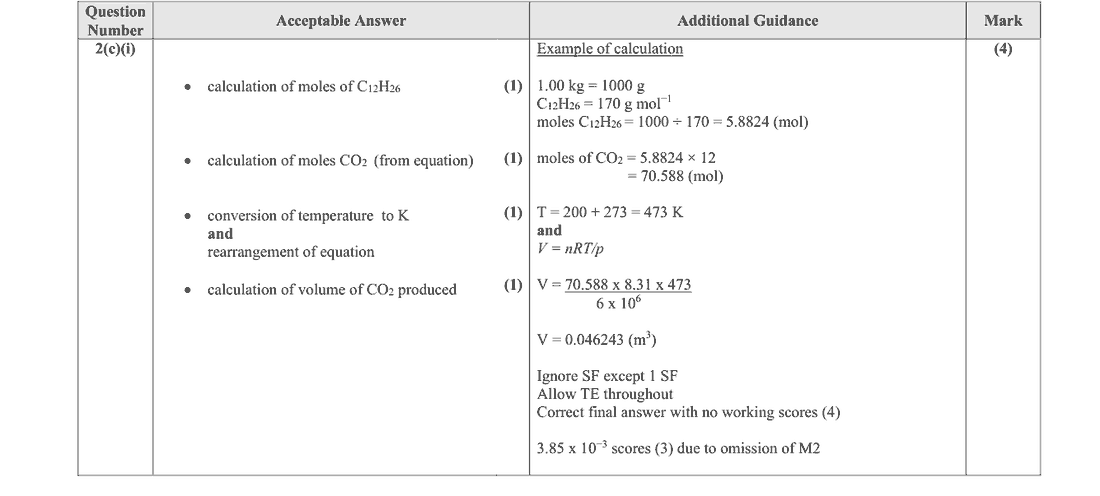
2(c)(i) Formulae, equations and amounts of substance 4Calculation
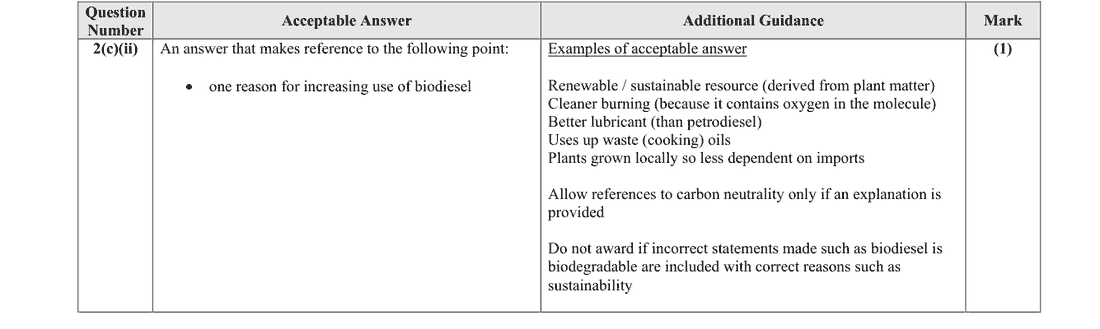
2(c)(ii) Alkanes 1Short answer
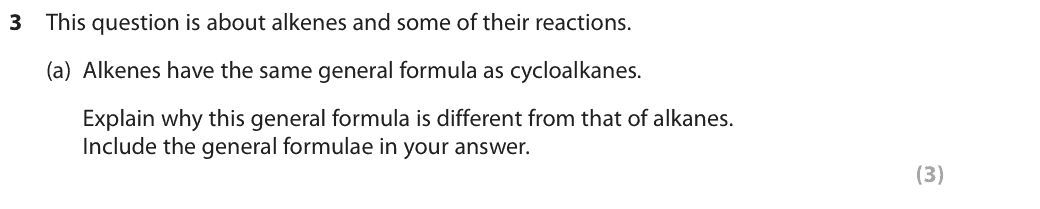
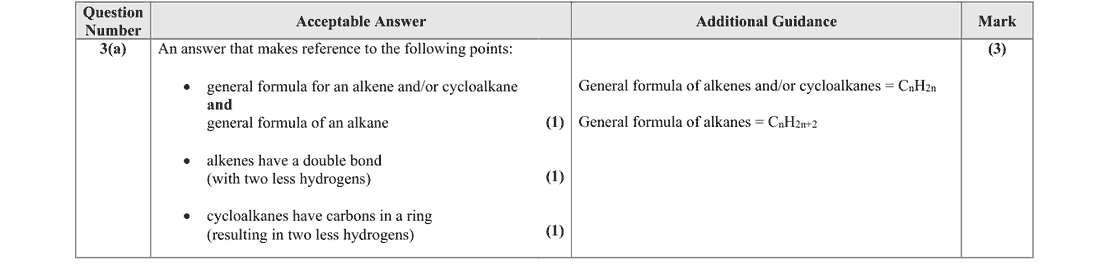
3(a) Alkenes, Alkanes 3Explanation
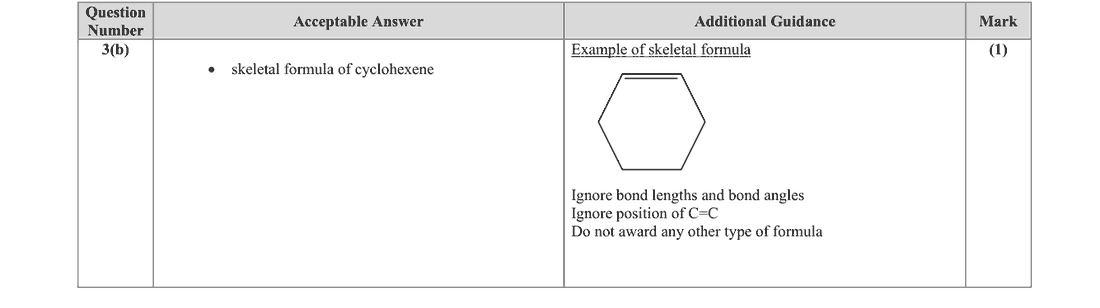
3(b) Introduction to organic chemistry 1Diagram or structure
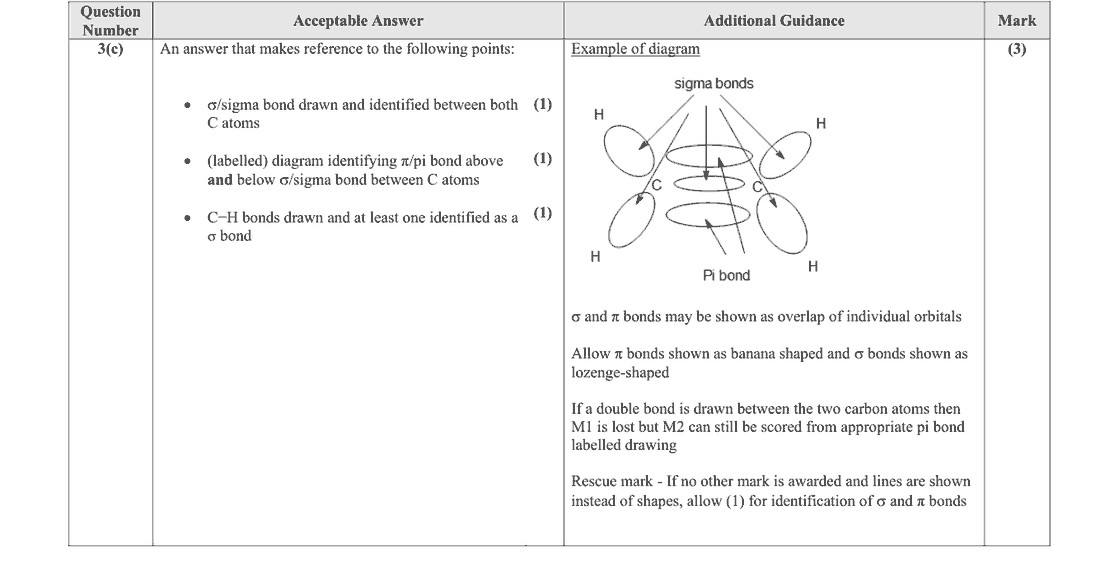
3(c) Alkenes 3Diagram or structure
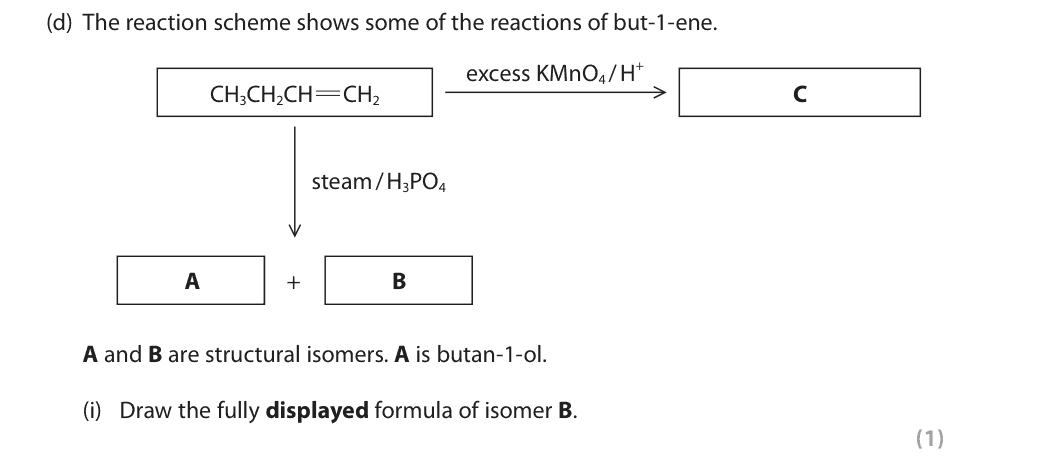
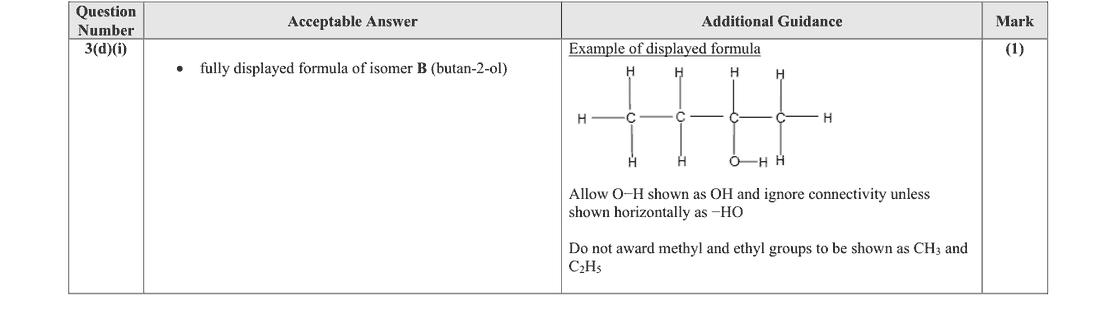
3(d)(i) Alkenes, Introduction to organic chemistry 1Diagram or structure
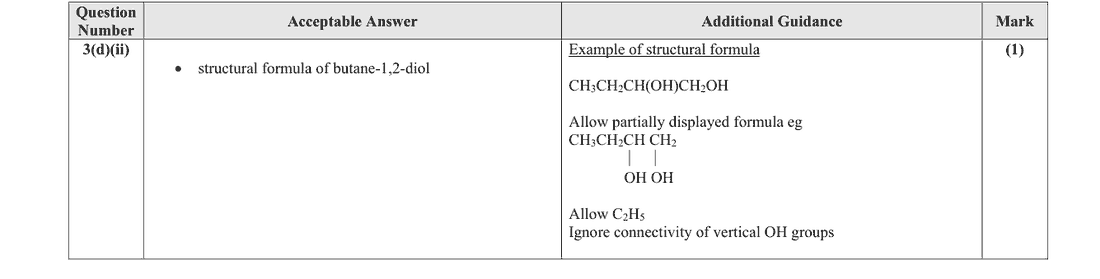
3(d)(ii) Alkenes 1Diagram or structure
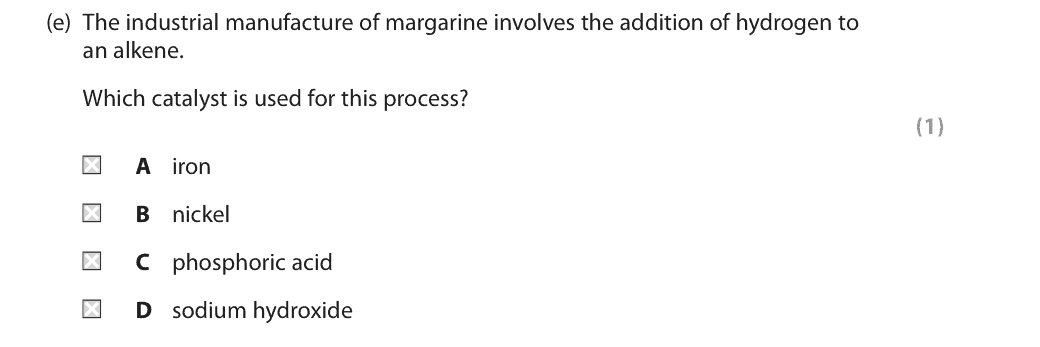
3(e) Alkenes 1Multiple choice
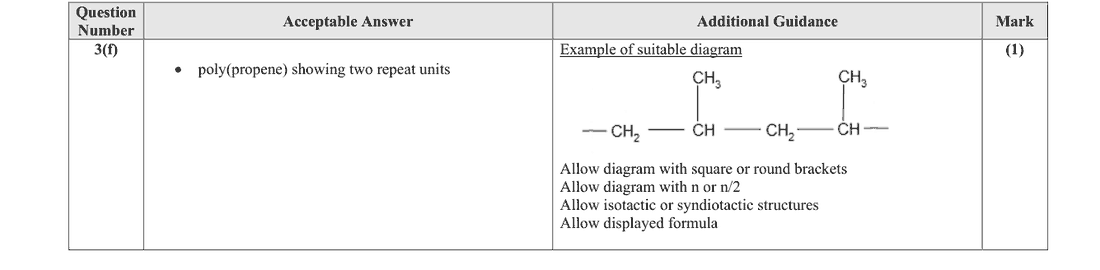
3(f) Alkenes 1Diagram or structure
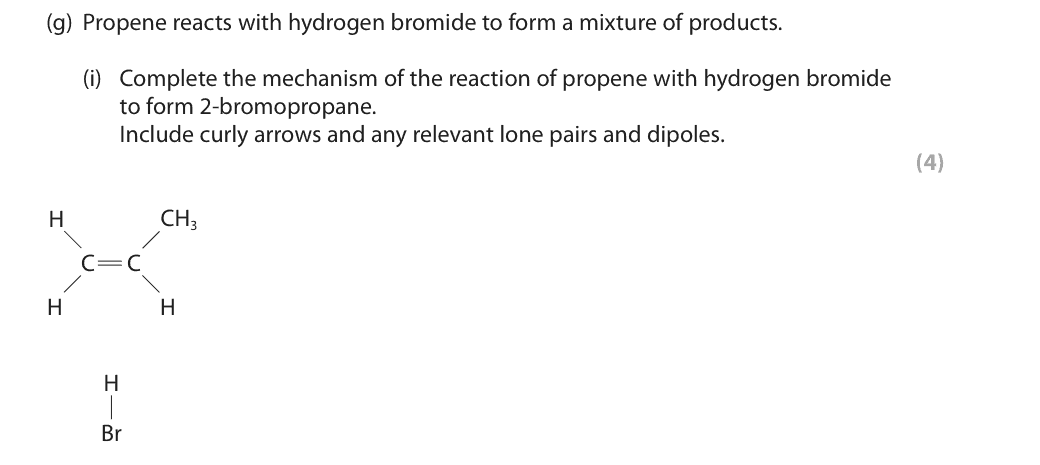
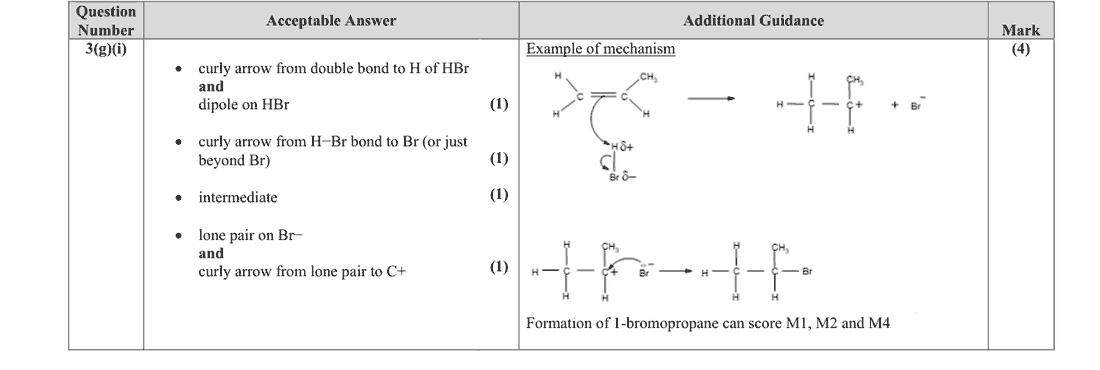
3(g)(i) Alkenes 4Mechanism
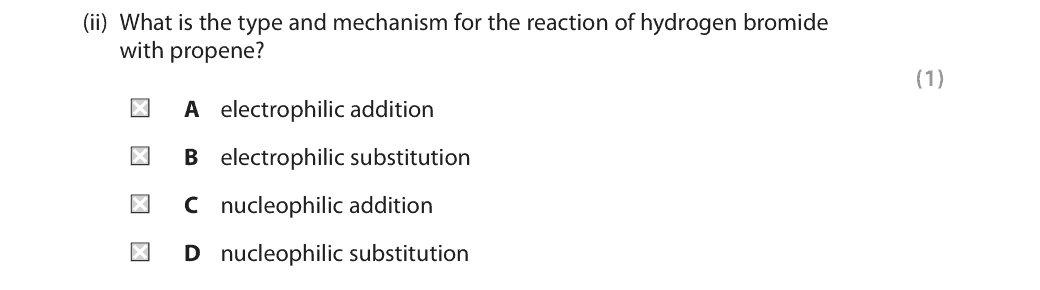
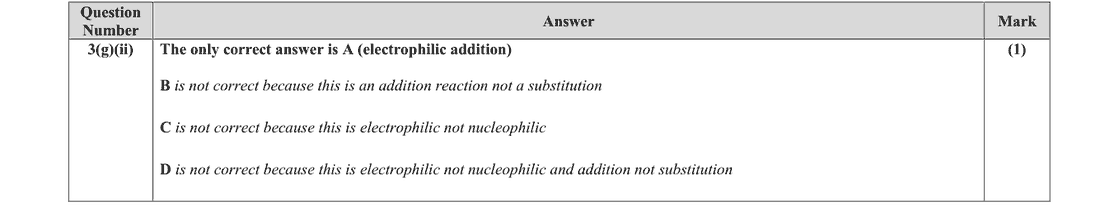
3(g)(ii) Alkenes 1Multiple choice
3(h)(i) Alkenes 1Short answer
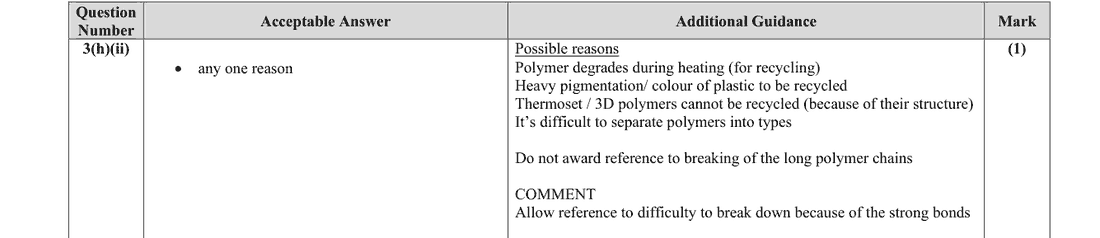
3(h)(ii) Alkenes 1Short answer
4(a)(i) Halogenoalkanes 3Practical and data analysis
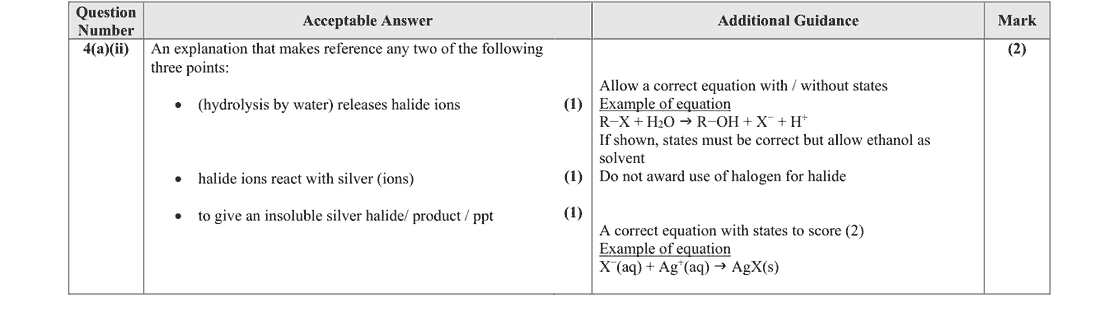
4(a)(ii) Halogenoalkanes, Formulae, equations and amounts of substance 2Explanation
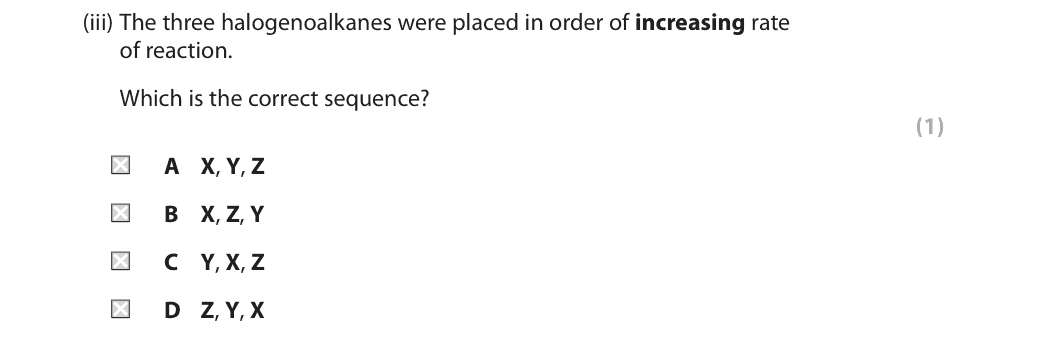
4(a)(iii) Halogenoalkanes 1Multiple choice
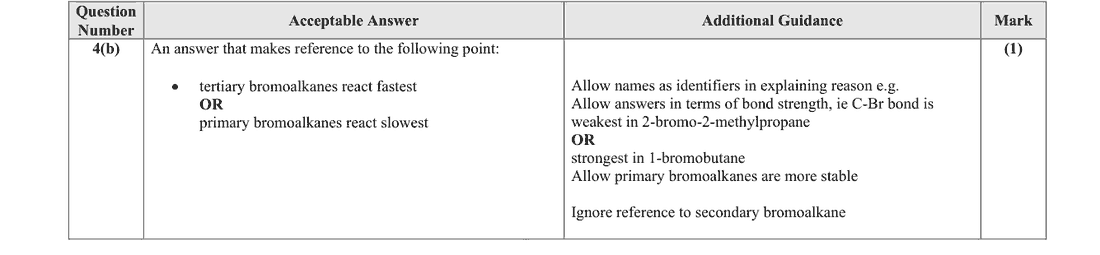
4(b) Halogenoalkanes 1Short answer
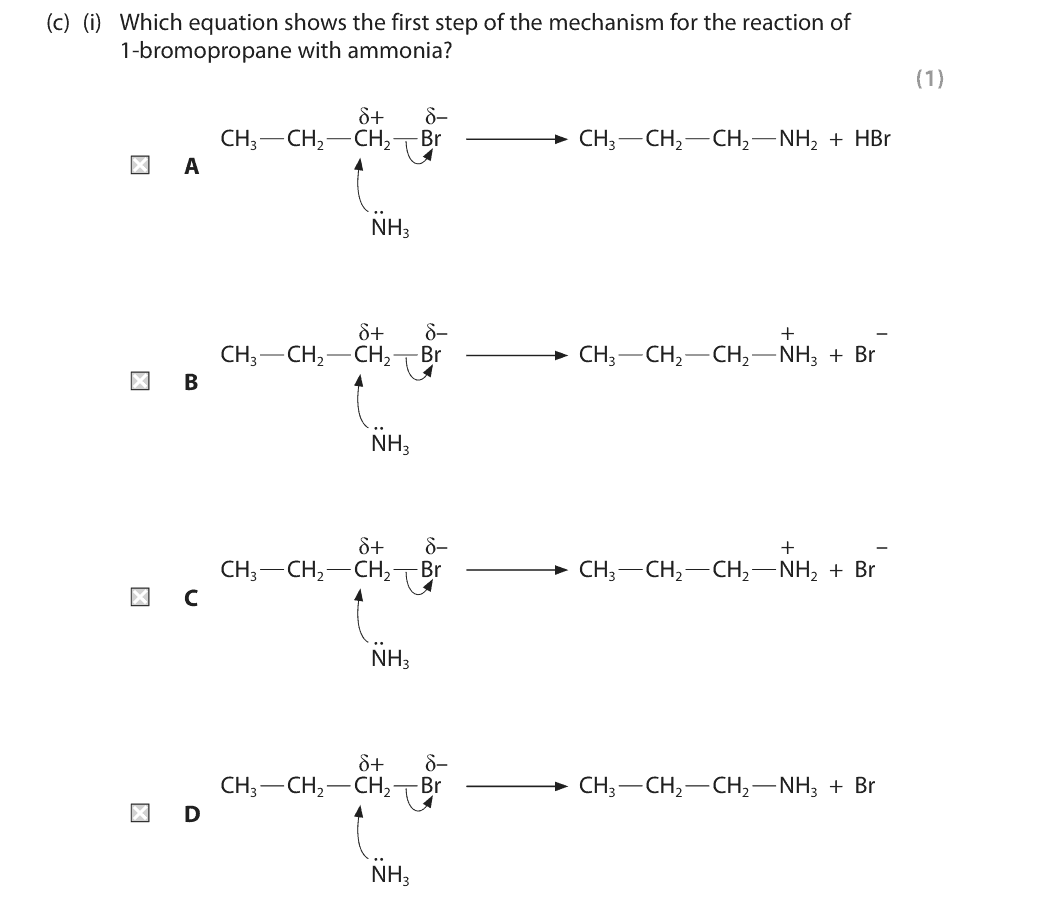
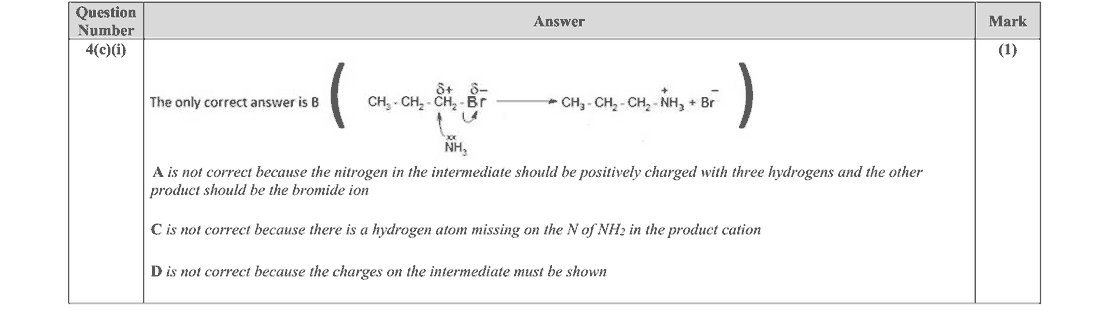
4(c)(i) Halogenoalkanes 1Multiple choice
4(c)(ii) Halogenoalkanes 1Short answer
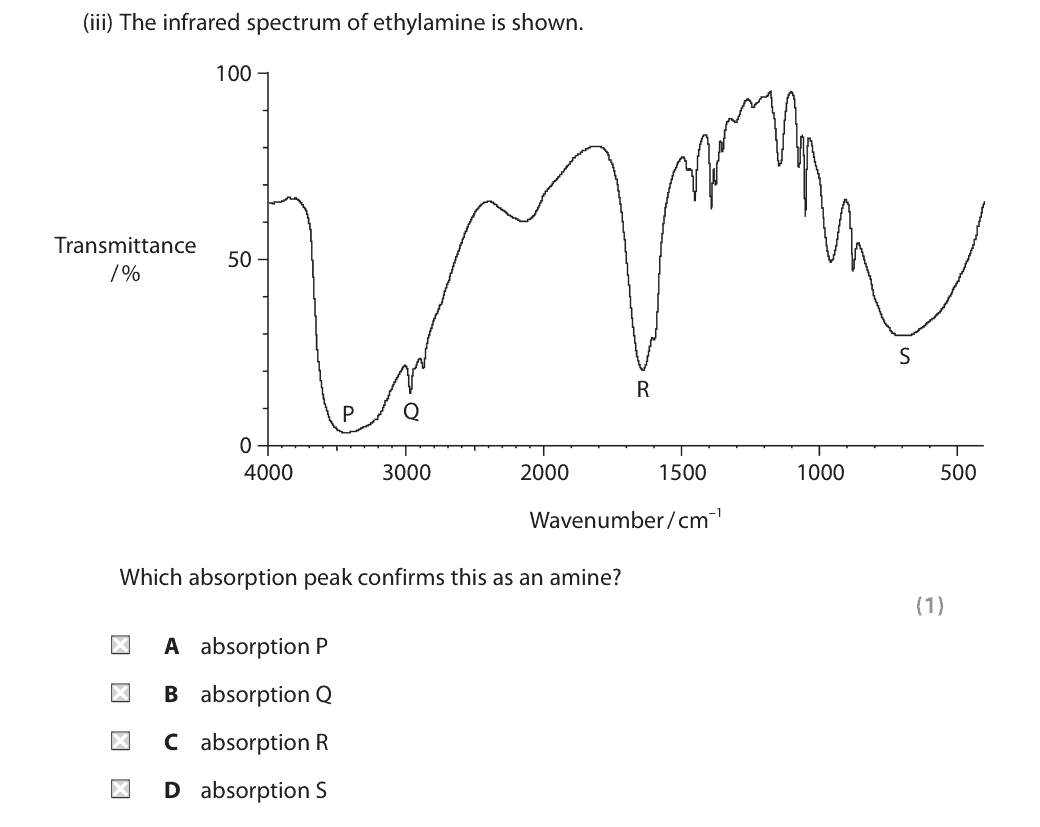
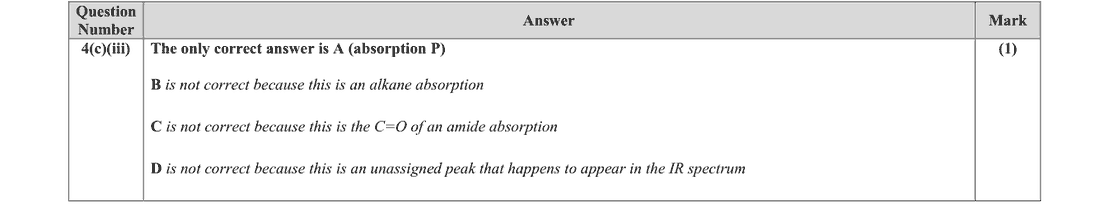
4(c)(iii) Modern analytical techniques I: mass spectrometry and infrared 1Multiple choice
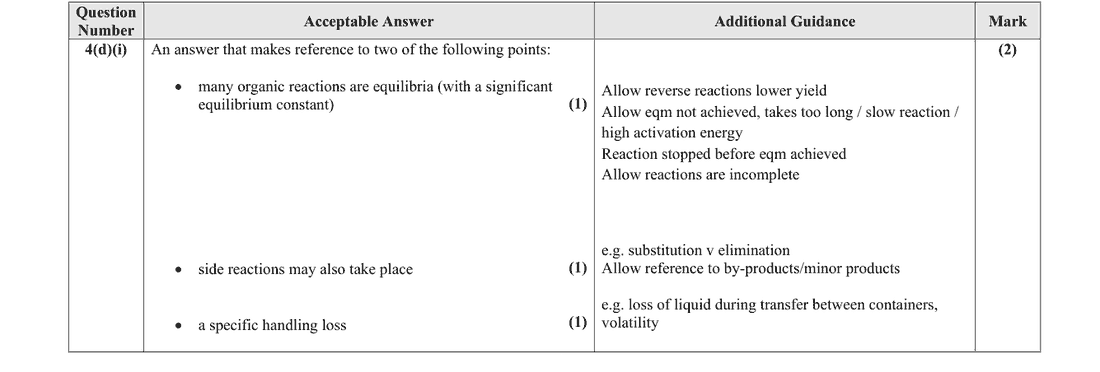
4(d)(i) Formulae, equations and amounts of substance 2Short answer
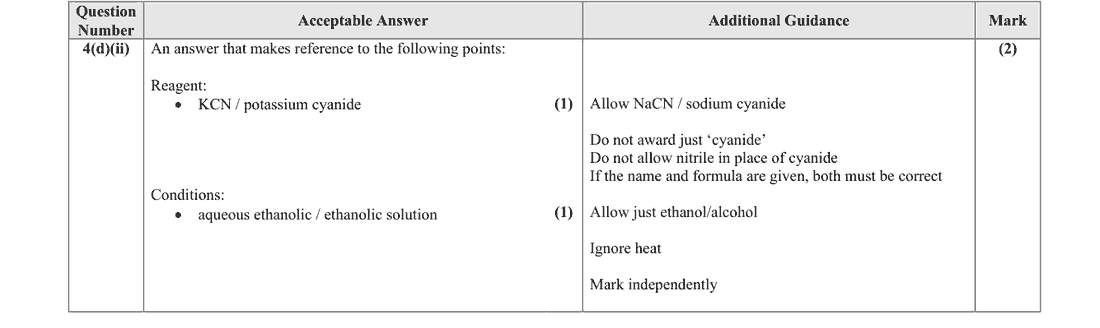
4(d)(ii) Halogenoalkanes 2Short answer
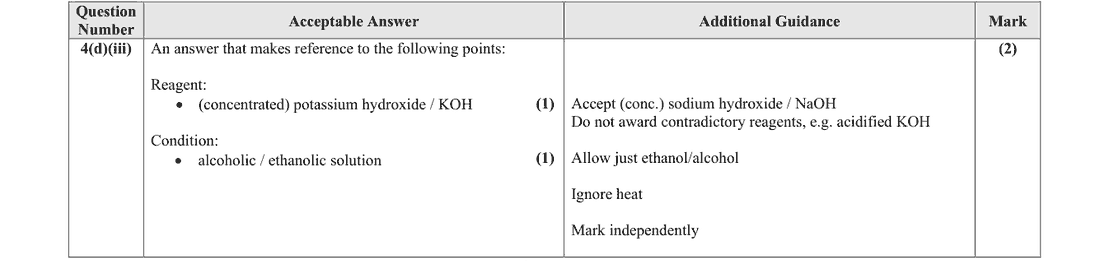
4(d)(iii) Halogenoalkanes 2Short answer
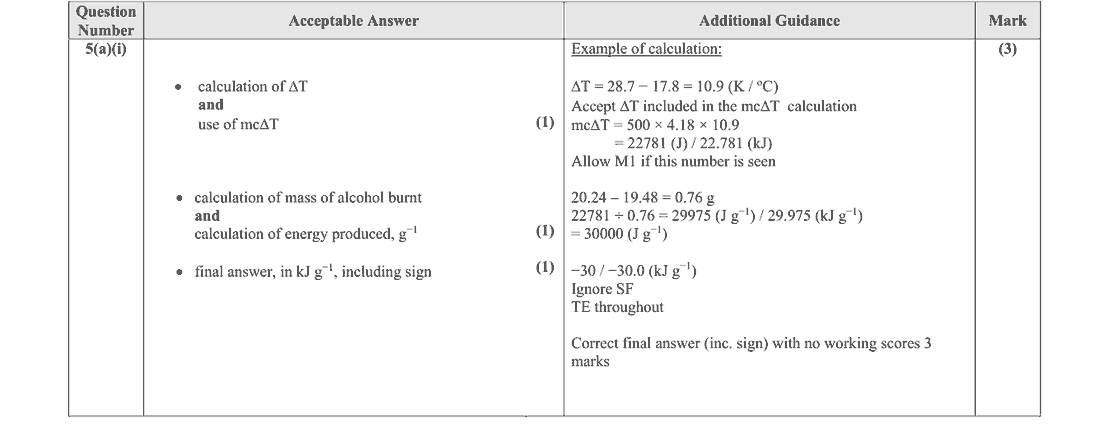
5(a)(i) Energetics I 3Calculation
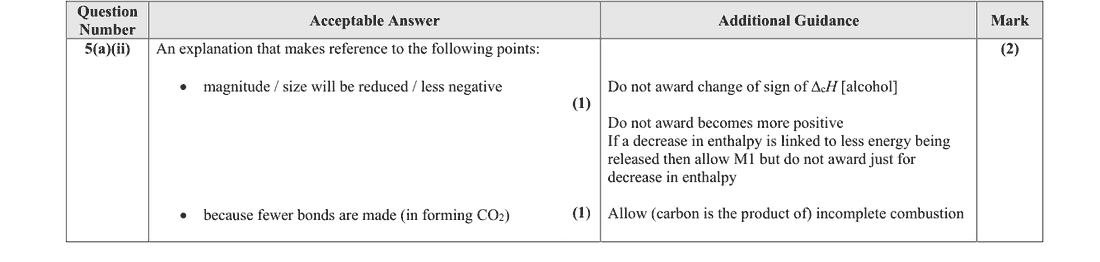
5(a)(ii) Energetics I 2Explanation
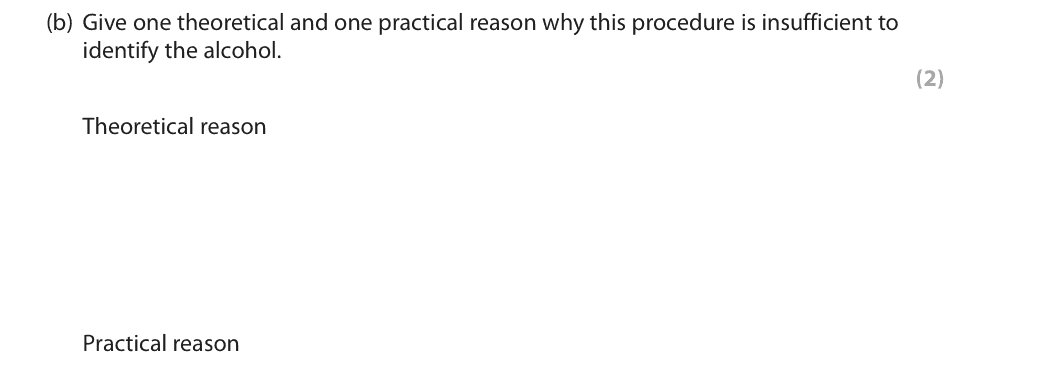
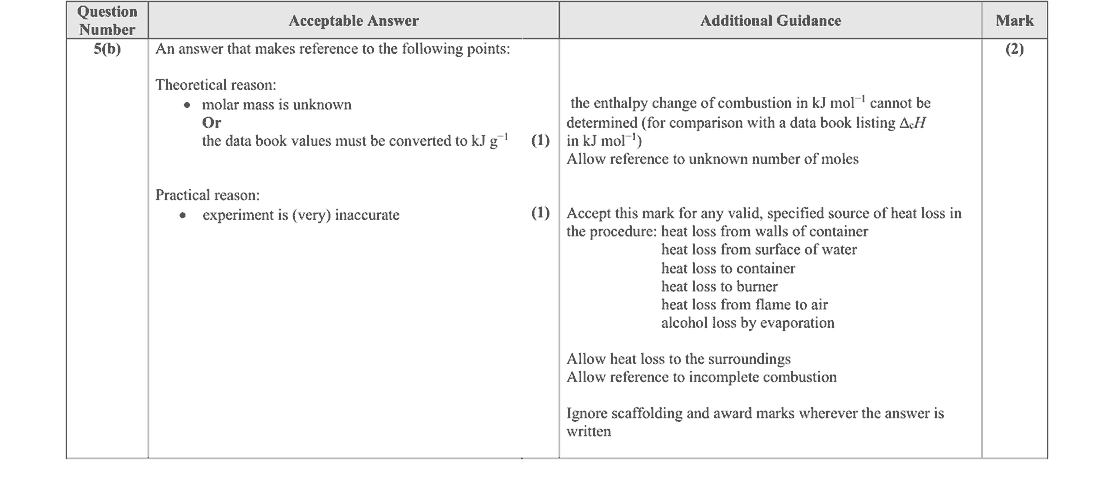
5(b) Energetics I 2Practical and data analysis
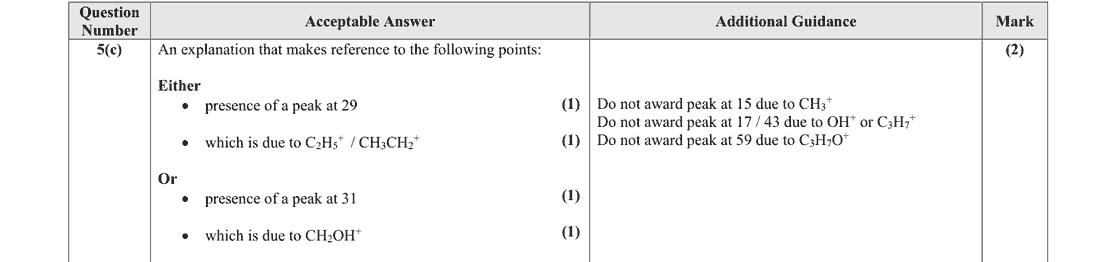
5(c) Modern analytical techniques I: mass spectrometry and infrared 2Explanation
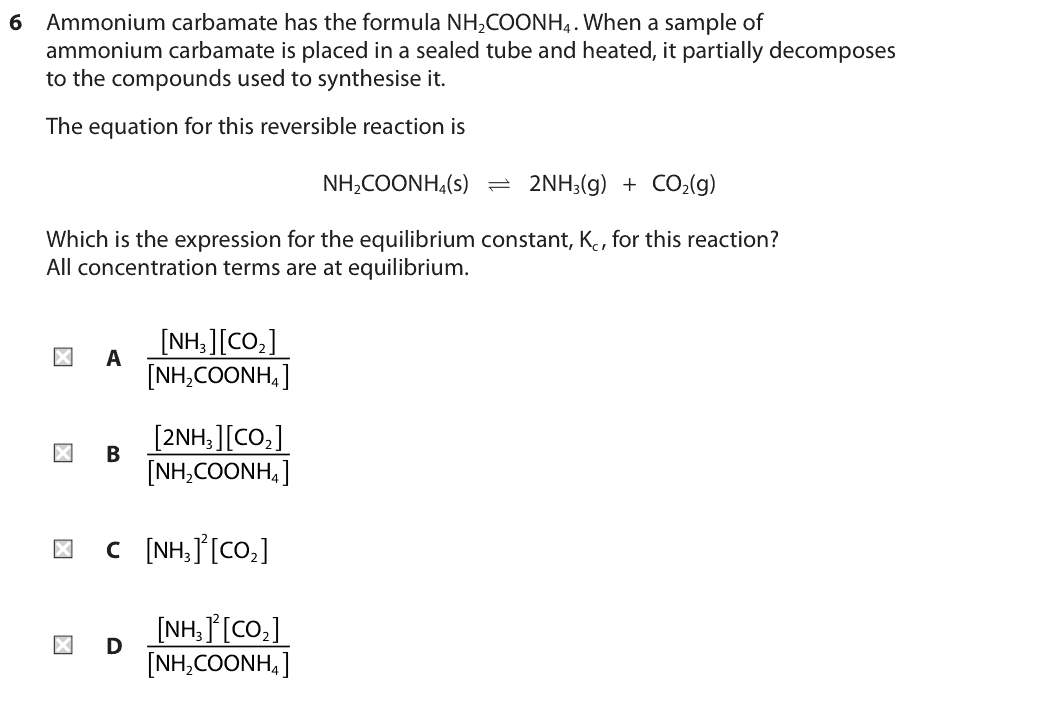
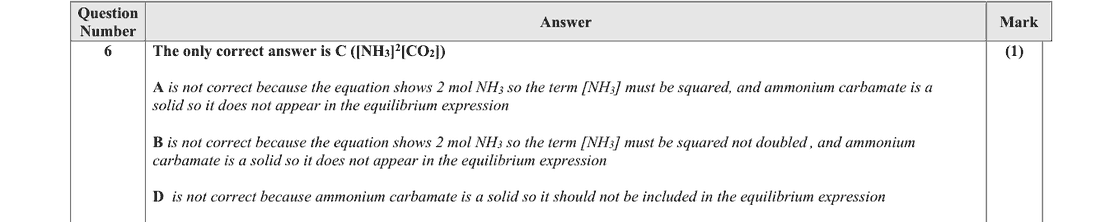
6 Equilibrium I 1Multiple choice
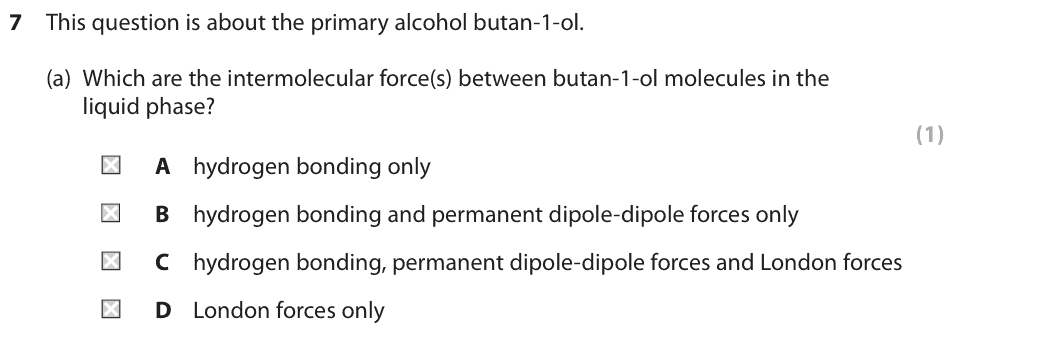
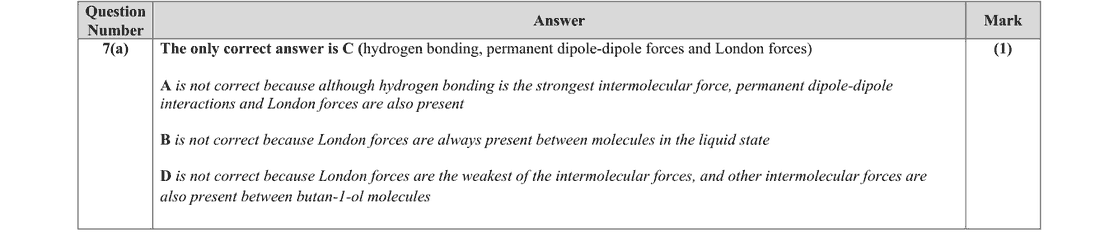
7(a) Bonding 1Multiple choice
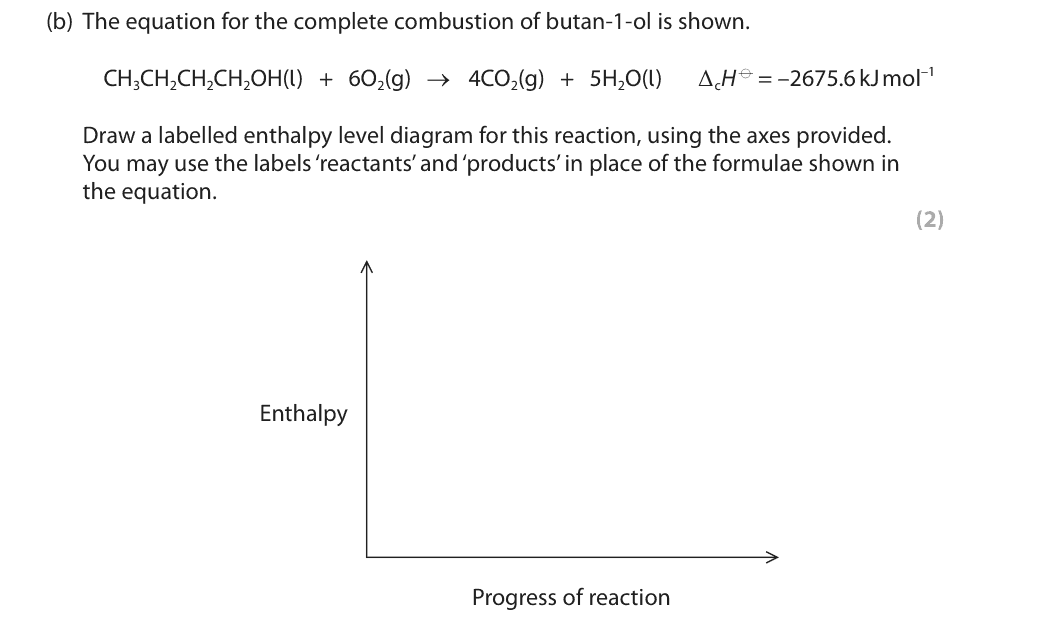
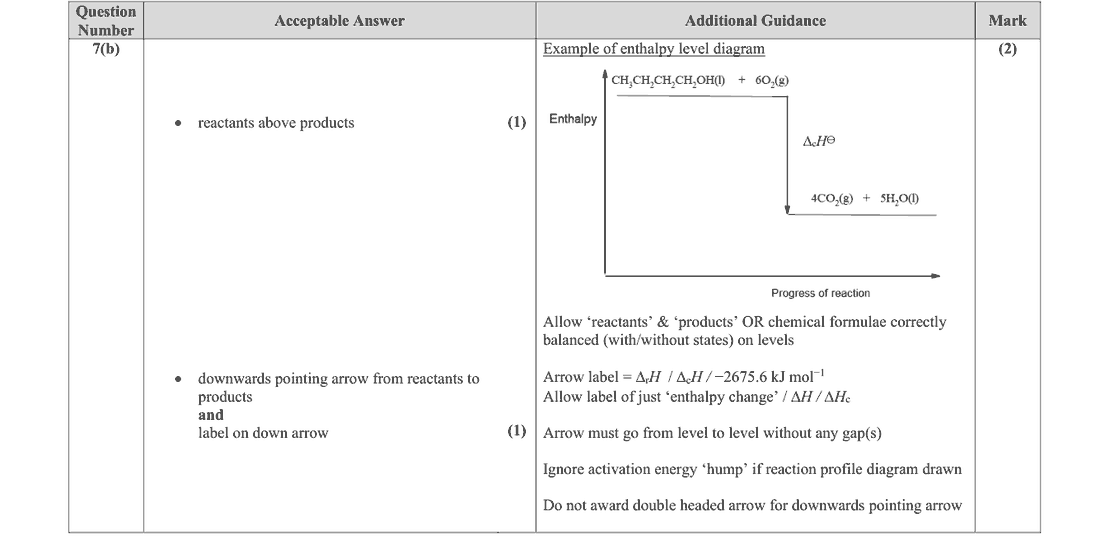
7(b) Energetics I 2Diagram or structure
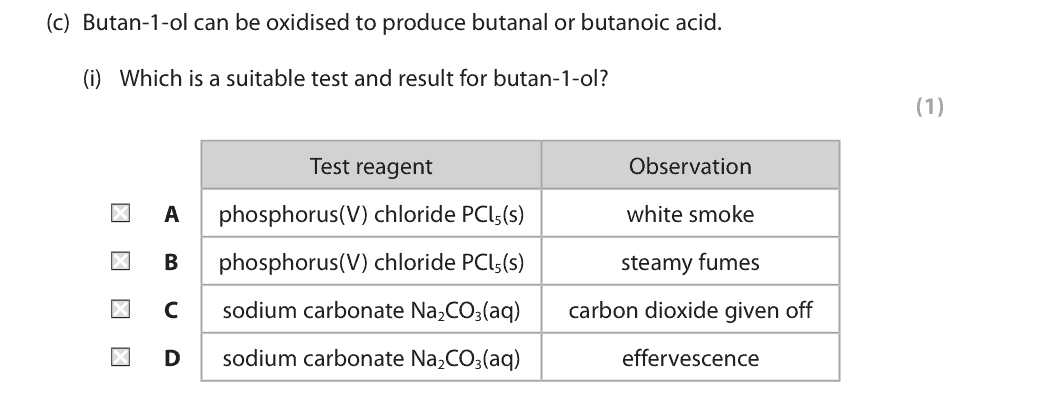
7(c)(i) Alcohols 1Multiple choice
7(c)(ii) Alcohols 1Short answer
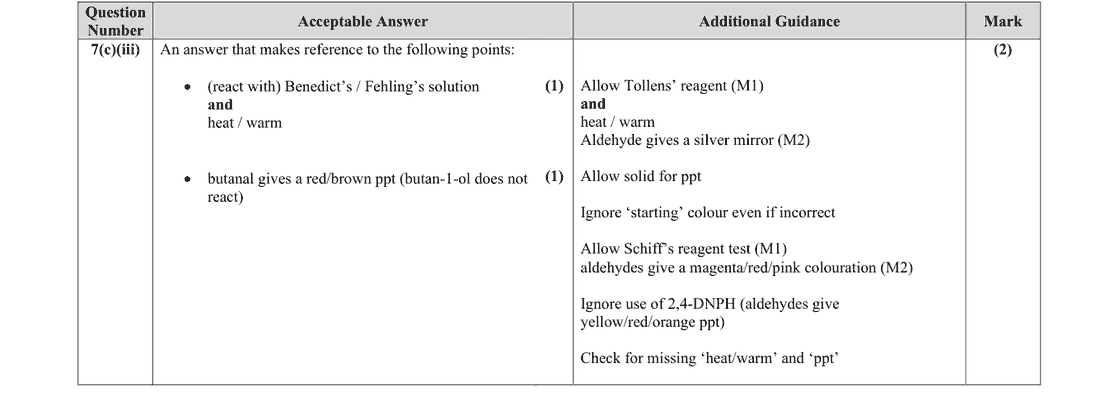
7(c)(iii) Alcohols 2Practical and data analysis
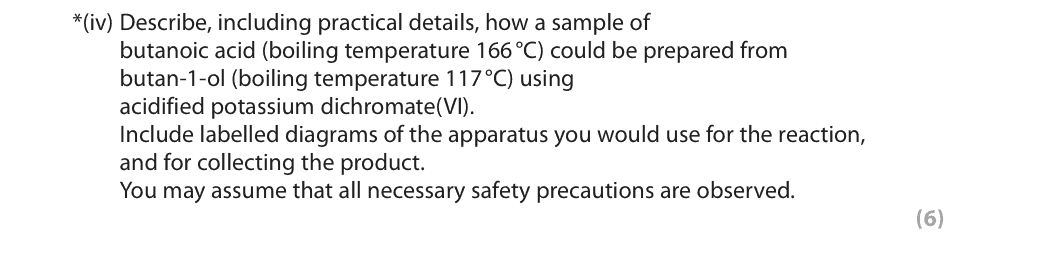
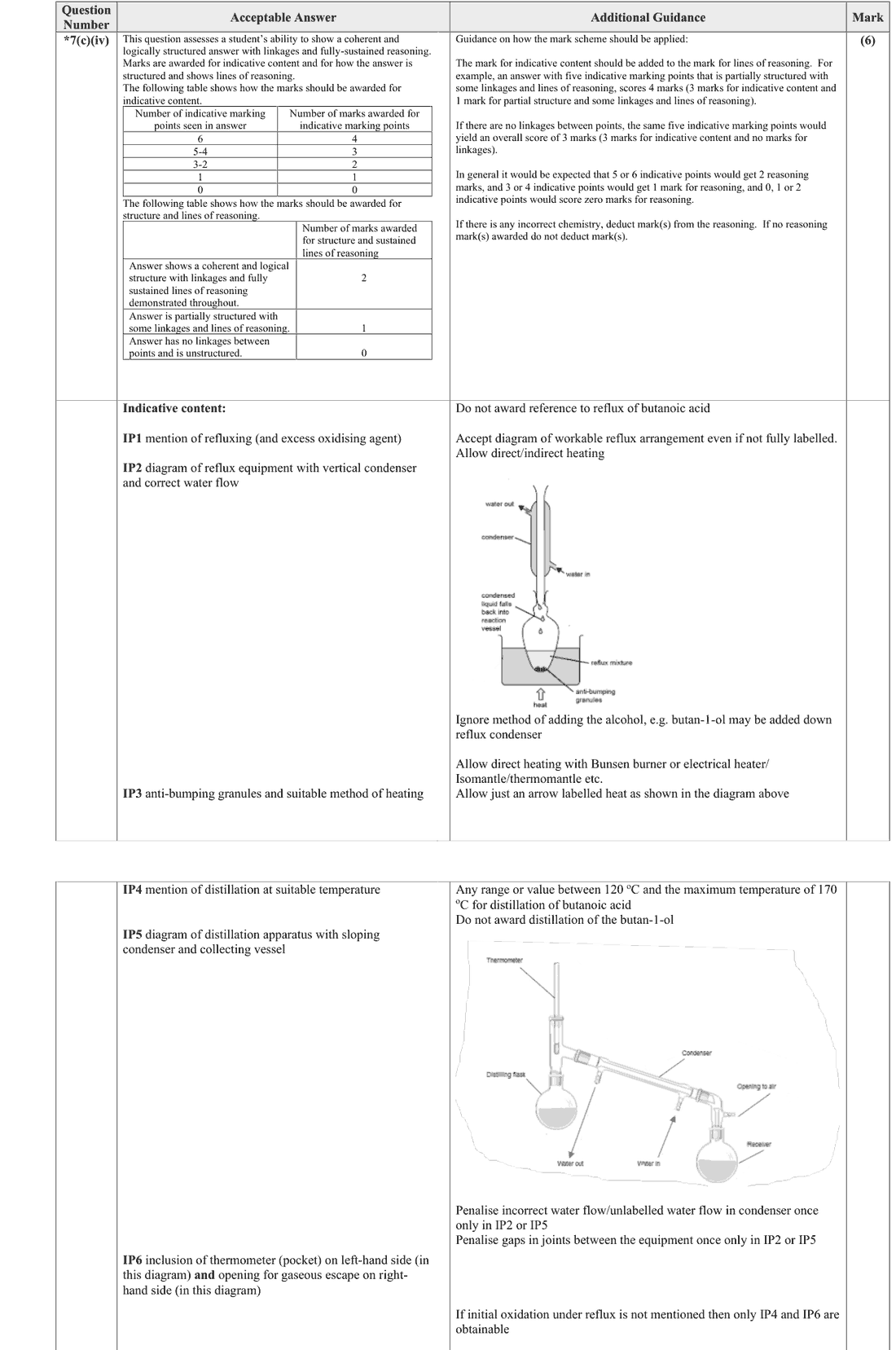
7(c)(iv) Alcohols 6Extended response
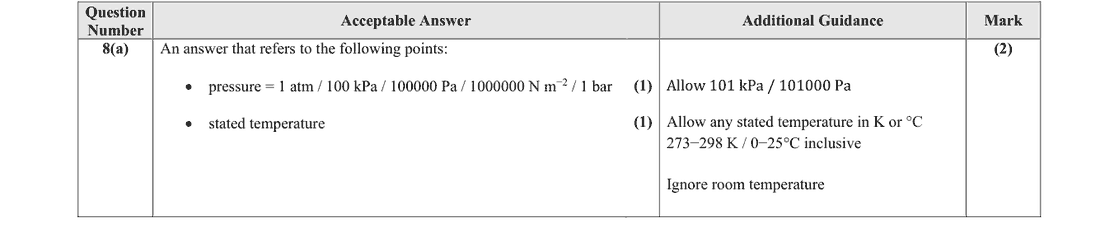
8(a) Energetics I 2Short answer
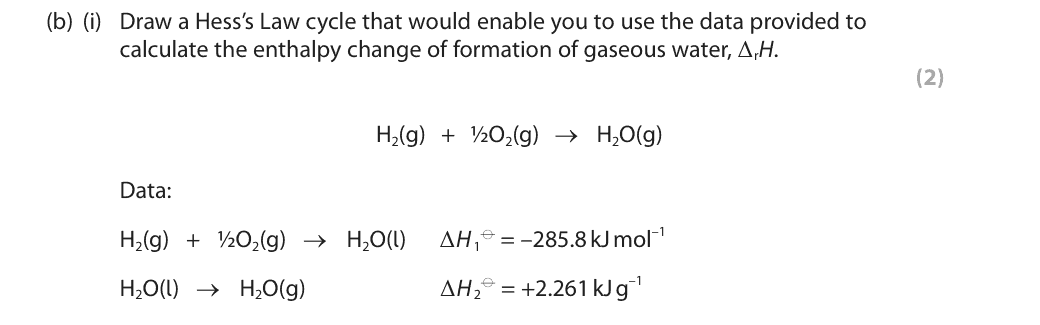
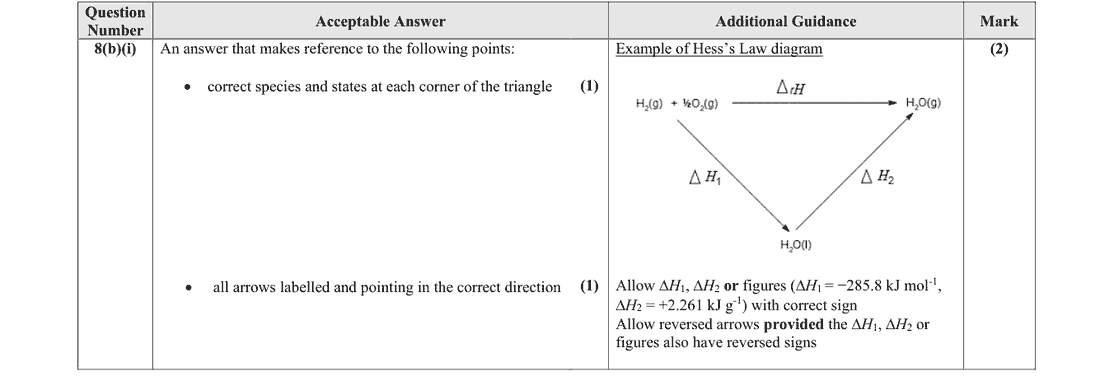
8(b)(i) Energetics I 2Diagram or structure
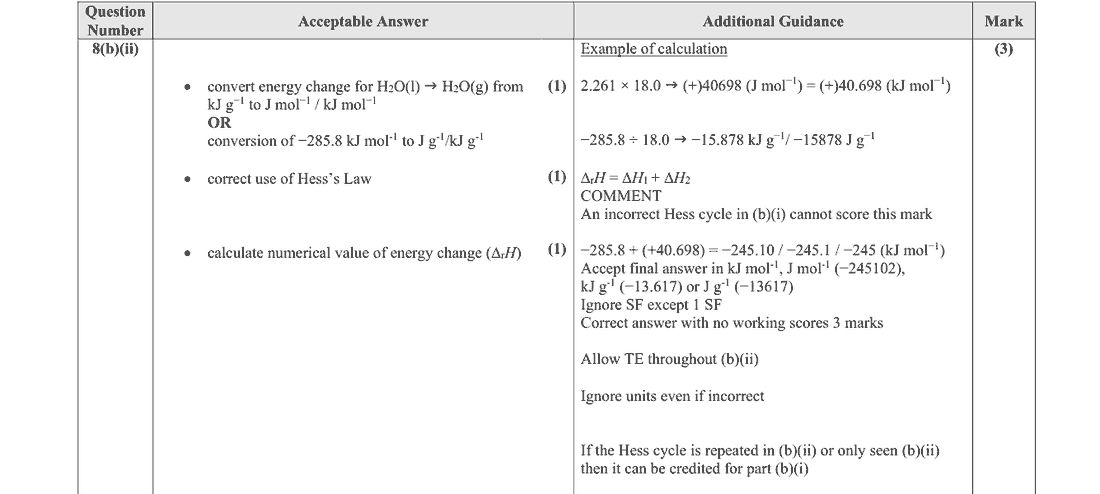
8(b)(ii) Energetics I 3Calculation

The questions

12(a)2(b)(i)2(b)(ii)2(b)(iii)2(b)(iv)2(c)(i)2(c)(ii)3(a)3(b)3(c)3(d)(i)3(d)(ii)3(e)3(f)3(g)(i)3(g)(ii)3(h)(i)3(h)(ii)4(a)(i)4(a)(ii)4(a)(iii)4(b)4(c)(i)4(c)(ii)4(c)(iii)4(d)(i)4(d)(ii)4(d)(iii)5(a)(i)5(a)(ii)5(b)5(c)67(a)7(b)7(c)(i)7(c)(ii)7(c)(iii)7(c)(iv)8(a)8(b)(i)8(b)(ii)
June 2023 · AS Paper 2 · Q1 2 marks Diagram or structure kinetics i
This question is about collision theory.
The Maxwell-Boltzmann distribution of molecular energies for a reaction at a
particular temperature is shown in the graph.
Add another line on the graph to represent the same reaction with the same number
of particles at a higher temperature.
Number of
particles with
energy, E
Energy, E
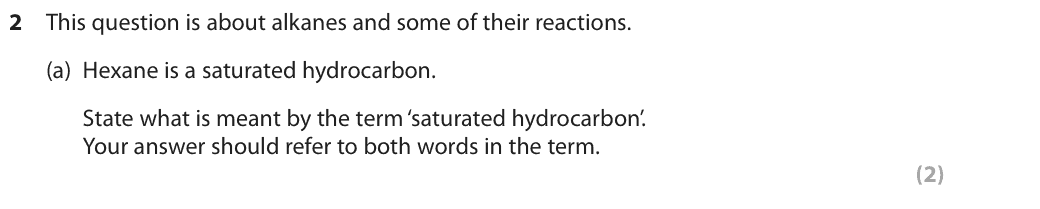
June 2023 · AS Paper 2 · Q2(a) 2 marks Short answer alkanesintroduction to organic chemistry
This question is about alkanes and some of their reactions.
Hexane is a saturated hydrocarbon.
State what is meant by the term ‘saturated hydrocarbon’.
Your answer should refer to both words in the term.
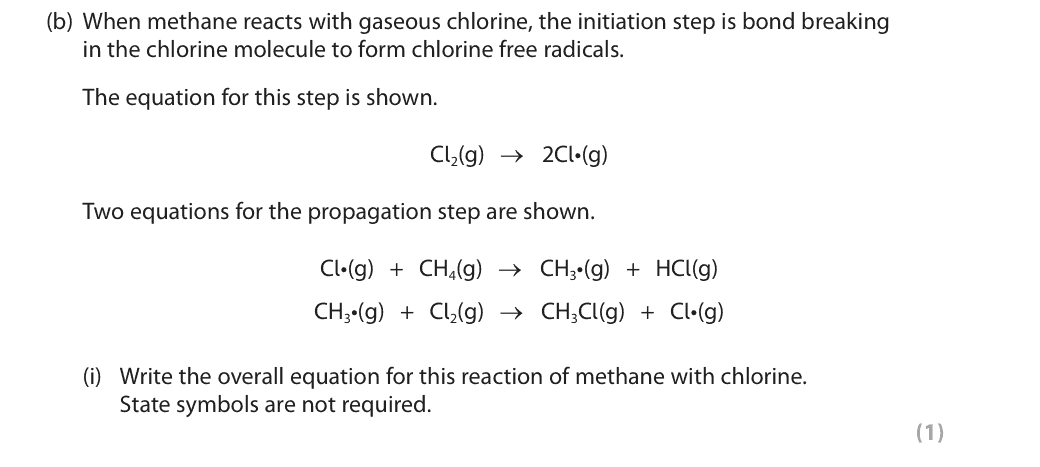
June 2023 · AS Paper 2 · Q2(b)(i) 1 mark Equation writing alkanesformulae equations and amounts of substance
Earlier part of question 2 that this part usesEarlier part of June 2023 Paper 2 question 2
When methane reacts with gaseous chlorine, the initiation step is bond breaking
in the chlorine molecule to form chlorine free radicals.
The equation for this step is shown.
Cl2(g)   →   2Cl•(g)
Two equations for the propagation step are shown.
Cl•(g)   +   CH4(g)   →   CH3•(g)   +   HCl(g)
CH3•(g)   +   Cl2(g)   →   CH3Cl(g)   +   Cl•(g)
Write the overall equation for this reaction of methane with chlorine.
State symbols are not required.
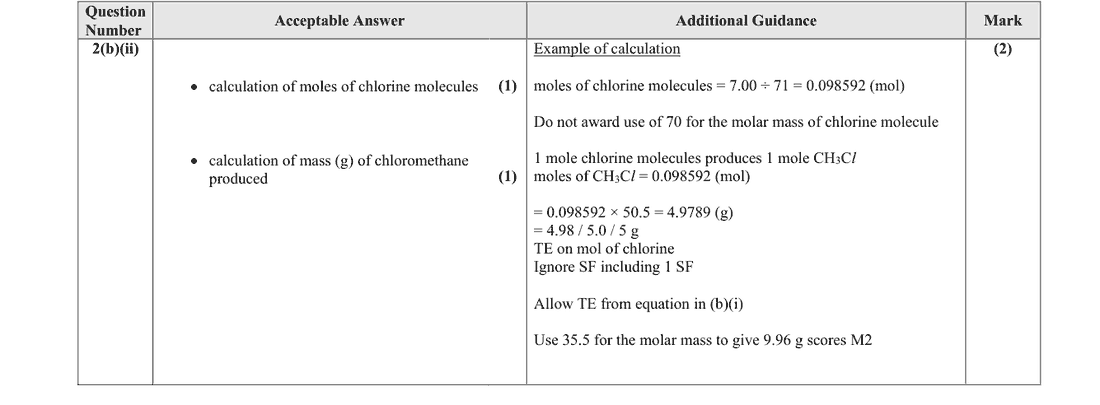
June 2023 · AS Paper 2 · Q2(b)(ii) 2 marks Calculation formulae equations and amounts of substance
Earlier parts of question 2 that this part usesEarlier part of June 2023 Paper 2 question 2Earlier part of June 2023 Paper 2 question 2
Calculate the maximum mass, in grams, of chloromethane produced when
7.00 g of chlorine gas reacts completely with excess methane.
[Molar mass of CH3Cl = 50.5 g mol–1]
June 2023 · AS Paper 2 · Q2(b)(iii) 1 mark Equation writing alkanes
Earlier parts of question 2 that this part usesEarlier part of June 2023 Paper 2 question 2Earlier part of June 2023 Paper 2 question 2Earlier part of June 2023 Paper 2 question 2
Write an equation for a termination step for this reaction.
State symbols are not required.
June 2023 · AS Paper 2 · Q2(b)(iv) 3 marks Calculation formulae equations and amounts of substance
Earlier parts of question 2 that this part usesEarlier part of June 2023 Paper 2 question 2Earlier part of June 2023 Paper 2 question 2Earlier part of June 2023 Paper 2 question 2
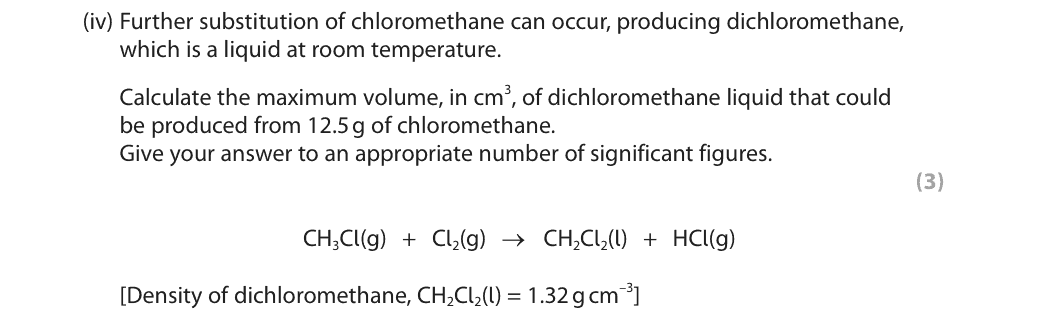
Further substitution of chloromethane can occur, producing dichloromethane,
which is a liquid at room temperature.
Calculate the maximum volume, in cm3, of dichloromethane liquid that could
be produced from 12.5 g of chloromethane.
Give your answer to an appropriate number of significant figures.
CH3Cl(g)   +   Cl2(g)   →   CH2Cl2(l)   +   HCl(g)
[Density of dichloromethane, CH2Cl2(l) = 1.32 g cm–3]
June 2023 · AS Paper 2 · Q2(c)(i) 4 marks Calculation formulae equations and amounts of substance
Earlier part of question 2 that this part usesEarlier part of June 2023 Paper 2 question 2
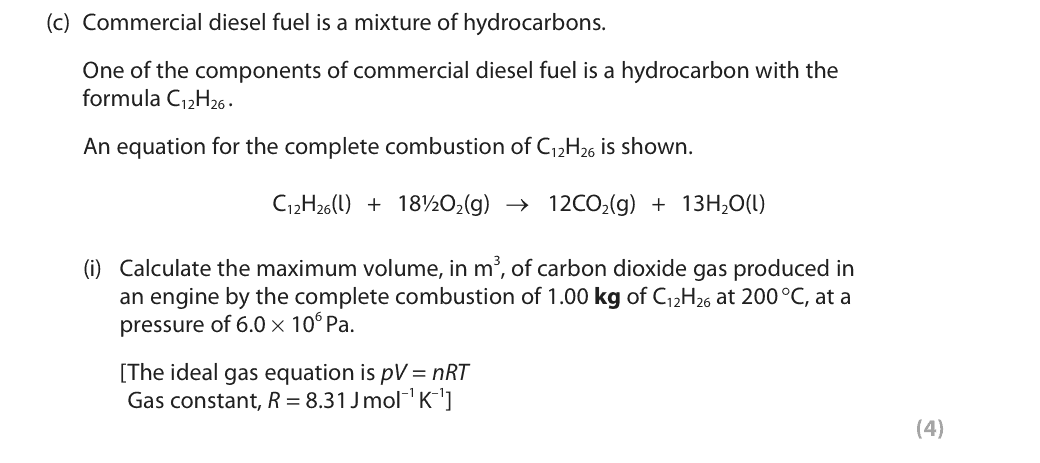
Commercial diesel fuel is a mixture of hydrocarbons.
One of the components of commercial diesel fuel is a hydrocarbon with the
formula C12H26 .
An equation for the complete combustion of C12H26 is shown.
C12H26(l)   +   18½O2(g)   →   12CO2(g)   +   13H2O(l)
Calculate the maximum volume, in m3, of carbon dioxide gas produced in
an engine by the complete combustion of 1.00 kg of C12H26 at 200 °C, at a
pressure of 6.0 × 106 Pa.
[The ideal gas equation is pV = nRT
Gas constant, R = 8.31 J mol–1 K–1]
June 2023 · AS Paper 2 · Q2(c)(ii) 1 mark Short answer alkanes
Earlier part of question 2 that this part usesEarlier part of June 2023 Paper 2 question 2
Biodiesel is derived from plants and petrodiesel is derived from crude oil.
Biodiesel is increasingly widely used, although it is more expensive and
provides less energy per kg when burned than petrodiesel.
Give one reason why biodiesel is now preferred to petrodiesel.
June 2023 · AS Paper 2 · Q3(a) 3 marks Explanation alkenesalkanes
This question is about alkenes and some of their reactions.
Alkenes have the same general formula as cycloalkanes.
Explain why this general formula is different from that of alkanes.
Include the general formulae in your answer.
June 2023 · AS Paper 2 · Q3(b) 1 mark Diagram or structure introduction to organic chemistry
Draw the skeletal formula of cyclohexene.
June 2023 · AS Paper 2 · Q3(c) 3 marks Diagram or structure alkenes
Draw a diagram of an ethene molecule showing the shape of all the bonding
electron clouds.
Include labels for all the bond types within the molecule.
June 2023 · AS Paper 2 · Q3(d)(i) 1 mark Diagram or structure alkenesintroduction to organic chemistry
Earlier part of question 3 that this part usesEarlier part of June 2023 Paper 2 question 3
The reaction scheme shows some of the reactions of but‑1‑ene.
excess KMnO4 / H+
CH3CH2CH
CH2
C
steam / H3PO4
A
+
B
A and B are structural isomers. A is butan‑1‑ol.
Draw the fully displayed formula of isomer B.
June 2023 · AS Paper 2 · Q3(d)(ii) 1 mark Diagram or structure Hard alkenes
Earlier part of question 3 that this part usesEarlier part of June 2023 Paper 2 question 3
Draw the structural formula of product C, which is formed by the reaction of
but‑1‑ene with potassium manganate(VII) in acid conditions.
June 2023 · AS Paper 2 · Q3(e) 1 mark Multiple choice alkenes
The industrial manufacture of margarine involves the addition of hydrogen to
an alkene.
Which catalyst is used for this process?
A  iron
B  nickel
C  phosphoric acid
D  sodium hydroxide
June 2023 · AS Paper 2 · Q3(f) 1 mark Diagram or structure Hard alkenes
Polymers can be produced by the addition polymerisation of alkenes.
Poly(propene) can be made from propene.
Draw the structure of poly(propene), showing two repeat units.
June 2023 · AS Paper 2 · Q3(g)(i) 4 marks Mechanism Easy alkenes
Earlier part of question 3 that this part usesEarlier part of June 2023 Paper 2 question 3
Propene reacts with hydrogen bromide to form a mixture of products.
Complete the mechanism of the reaction of propene with hydrogen bromide
to form 2‑bromopropane.
Include curly arrows and any relevant lone pairs and dipoles.
H
CH3
C
C
H
H
H
Br
June 2023 · AS Paper 2 · Q3(g)(ii) 1 mark Multiple choice alkenes
Earlier part of question 3 that this part usesEarlier part of June 2023 Paper 2 question 3
What is the type and mechanism for the reaction of hydrogen bromide
with propene?
A  electrophilic addition
B  electrophilic substitution
C  nucleophilic addition
D  nucleophilic substitution
June 2023 · AS Paper 2 · Q3(h)(i) 1 mark Short answer alkenes
Various methods are used to reduce the problem of plastic waste, including the
incineration, recycling and introduction of biodegradable polymers.
Describe how the toxic gas hydrogen chloride produced during the
incineration of poly(chloroethene) could be removed.
June 2023 · AS Paper 2 · Q3(h)(ii) 1 mark Short answer alkenes
Earlier part of question 3 that this part usesEarlier part of June 2023 Paper 2 question 3
Give a reason why some polymers cannot be recycled.
June 2023 · AS Paper 2 · Q4(a)(i) 3 marks Practical and data analysis halogenoalkanes
This question is about halogenoalkanes and some of their reactions.
X, Y and Z are three different halogenoalkanes.
X is 1‑chloropropane
Y is 1‑bromopropane
Z is 1‑iodopropane
An experiment is carried out to compare the rates of hydrolysis of
these compounds.
Outline procedure:
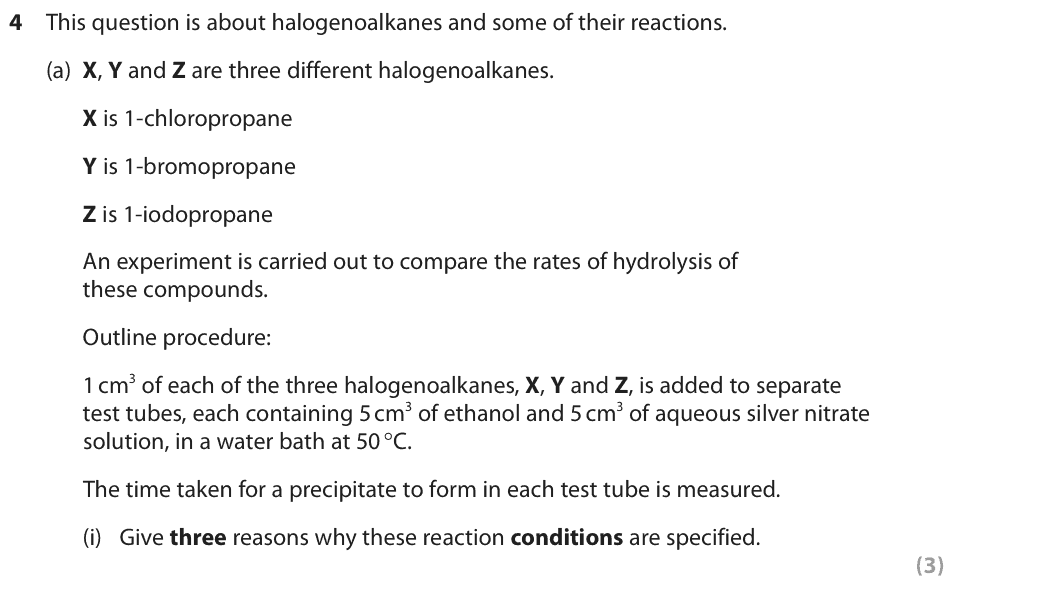
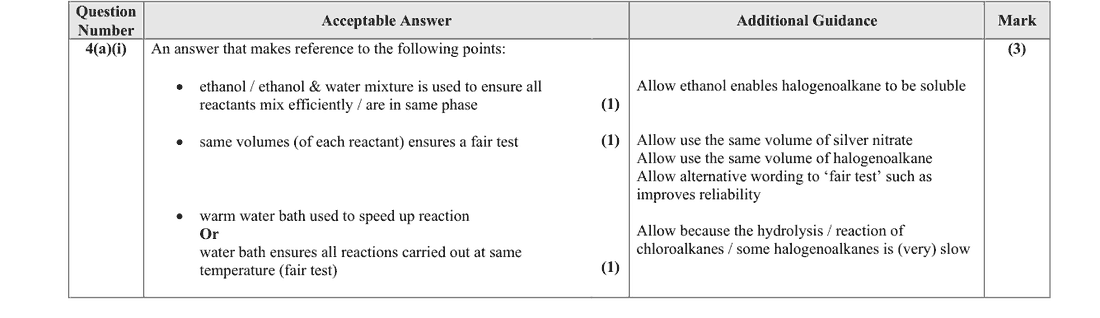
1 cm3 of each of the three halogenoalkanes, X, Y and Z, is added to separate
test tubes, each containing 5 cm3 of ethanol and 5 cm3 of aqueous silver nitrate
solution, in a water bath at 50 °C.
The time taken for a precipitate to form in each test tube is measured.
Give three reasons why these reaction conditions are specified.
June 2023 · AS Paper 2 · Q4(a)(ii) 2 marks Explanation halogenoalkanesformulae equations and amounts of substance
Earlier part of question 4 that this part usesEarlier part of June 2023 Paper 2 question 4
Explain why a precipitate forms.
June 2023 · AS Paper 2 · Q4(a)(iii) 1 mark Multiple choice halogenoalkanes
Earlier part of question 4 that this part usesEarlier part of June 2023 Paper 2 question 4
The three halogenoalkanes were placed in order of increasing rate
of reaction.
Which is the correct sequence?
A  X, Y, Z
B  X, Z, Y
C  Y, X, Z
D  Z, Y, X
June 2023 · AS Paper 2 · Q4(b) 1 mark Short answer halogenoalkanes
Earlier part of question 4 that this part usesEarlier part of June 2023 Paper 2 question 4
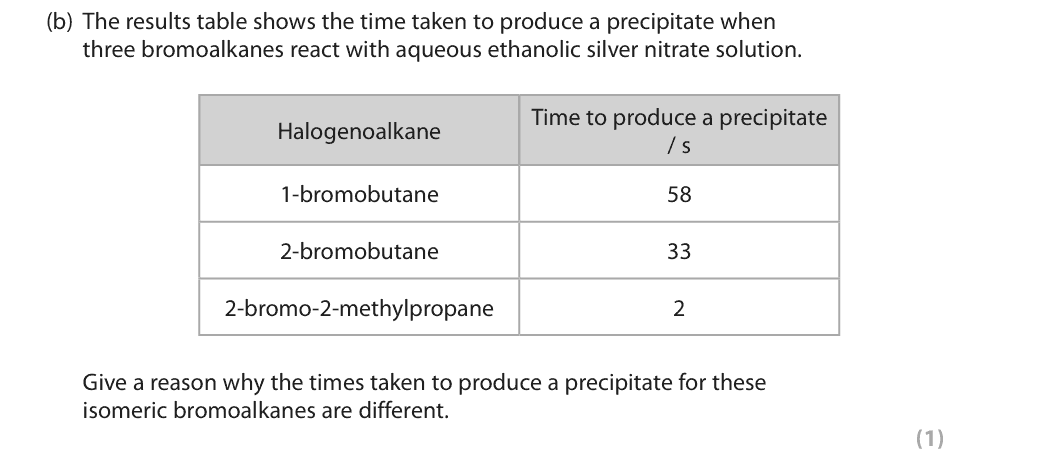
The results table shows the time taken to produce a precipitate when
three bromoalkanes react with aqueous ethanolic silver nitrate solution.
Time to produce a precipitate
Halogenoalkane
/ s
1‑bromobutane
58
2‑bromobutane
33
2‑bromo‑2‑methylpropane
2
Give a reason why the times taken to produce a precipitate for these
isomeric bromoalkanes are different.
June 2023 · AS Paper 2 · Q4(c)(i) 1 mark Multiple choice halogenoalkanes
Which equation shows the first step of the mechanism for the reaction of
1‑bromopropane with ammonia?
δ+
δ–
CH3
CH2
CH2
Br
CH3
CH2
CH2
NH2  +  HBr
A
• •NH3
δ+
δ–
+
–
CH3
CH2
CH2
Br
CH3
CH2
CH2
NH3  +  Br
B
• •NH3
δ+
δ–
+
–
CH3
CH2
CH2
Br
CH3
CH2
CH2
NH2  +  Br
C
• •NH3
δ+
δ–
CH3
CH2
CH2
Br
CH3
CH2
CH2
NH3  +  Br
D
• •NH3
June 2023 · AS Paper 2 · Q4(c)(ii) 1 mark Short answer halogenoalkanes
Earlier part of question 4 that this part usesEarlier part of June 2023 Paper 2 question 4
Write the formula of the final inorganic product of the reaction of
1‑bromopropane with excess ammonia.
June 2023 · AS Paper 2 · Q4(c)(iii) 1 mark Multiple choice mass spectrometry and infrared spectroscopy
Earlier parts of question 4 that this part usesEarlier part of June 2023 Paper 2 question 4Earlier part of June 2023 Paper 2 question 4
The infrared spectrum of ethylamine is shown.
100
Transmittance
50
/ %
S
R
P
Q
0
4000
3000
2000
1500
1000
500
Wavenumber / cm–1
Which absorption peak confirms this as an amine?
A  absorption P
B  absorption Q
C  absorption R
D  absorption S
June 2023 · AS Paper 2 · Q4(d)(i) 2 marks Short answer formulae equations and amounts of substance
1-bromopropane undergoes reactions when heated with different reagents.
Give two reasons why organic reactions are often heated for a long time but
the yield is frequently low.
June 2023 · AS Paper 2 · Q4(d)(ii) 2 marks Short answer halogenoalkanes
Earlier part of question 4 that this part usesEarlier part of June 2023 Paper 2 question 4
Give the name or formula of the reagent and the condition, other than heat,
used to increase the carbon chain length by one carbon atom, starting from
1-bromopropane.
June 2023 · AS Paper 2 · Q4(d)(iii) 2 marks Short answer halogenoalkanes
Earlier parts of question 4 that this part usesEarlier part of June 2023 Paper 2 question 4Earlier part of June 2023 Paper 2 question 4
1-bromopropane, CH3CH2CH2CH2Br, can be converted into
but-1-ene, CH3CH2CH
CH2 .
Give the name or formula of the reagent and the condition, other than heat,
used for this reaction.
June 2023 · AS Paper 2 · Q5(a)(i) 3 marks Calculation energetics i
A student found a bottle of a colourless liquid that was thought to be an alcohol.
However, the label was missing and the identity of the alcohol was unknown.
The student decided to attempt to identify this alcohol (Q) by measuring its
enthalpy change of combustion, and comparing the result with values in a data book.
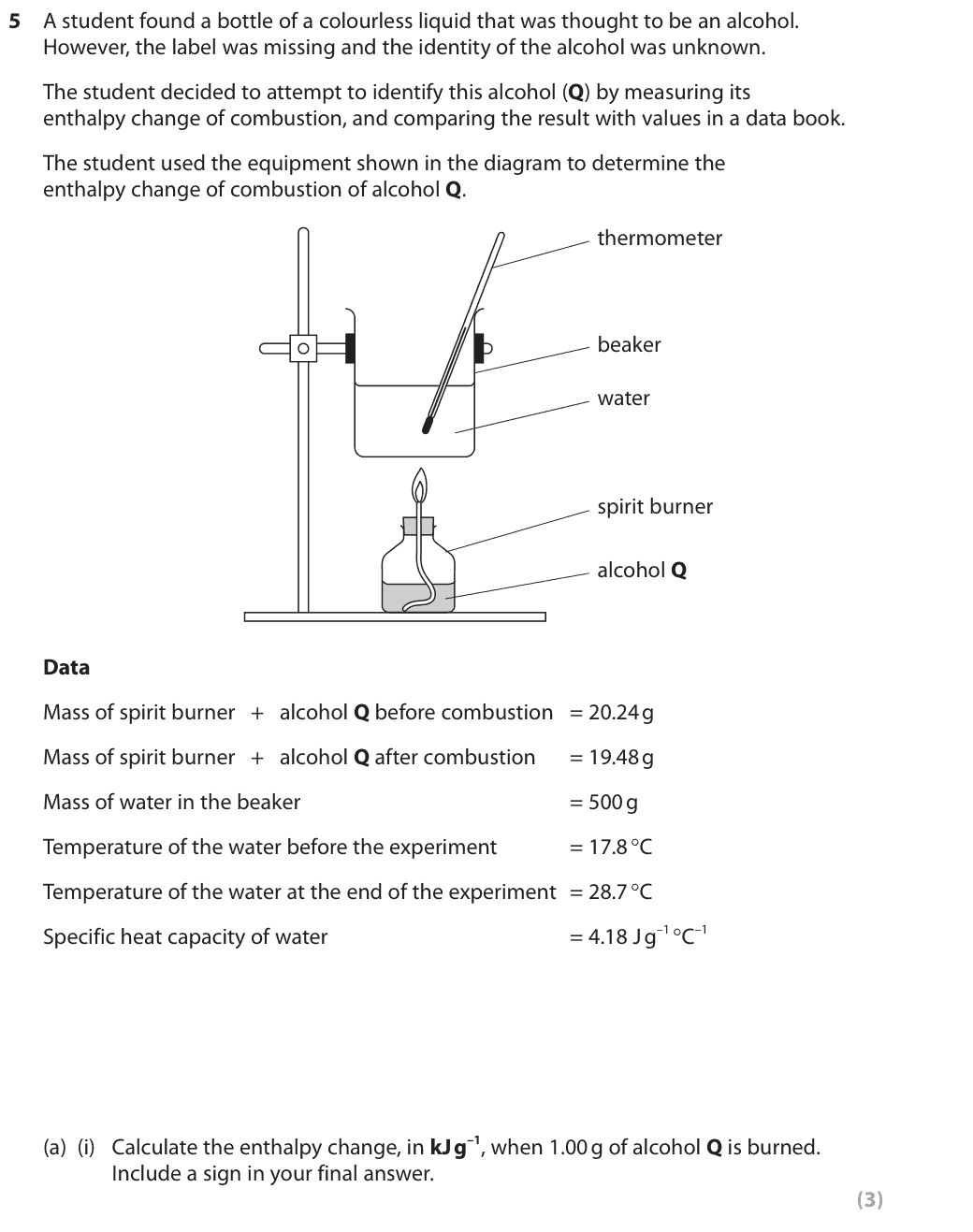
The student used the equipment shown in the diagram to determine the
enthalpy change of combustion of alcohol Q.
thermometer
beaker
water
spirit burner
alcohol Q
Data
Mass of spirit burner   +   alcohol Q before combustion  = 20.24 g
Mass of spirit burner   +   alcohol Q after combustion
= 19.48 g
Mass of water in the beaker
= 500 g
Temperature of the water before the experiment
= 17.8 °C
Temperature of the water at the end of the experiment  = 28.7 °C
Specific heat capacity of water
= 4.18 J g–1 °C–1
Calculate the enthalpy change, in kJ g–1, when 1.00 g of alcohol Q is burned.
Include a sign in your final answer.
June 2023 · AS Paper 2 · Q5(a)(ii) 2 marks Explanation energetics i
Earlier part of question 5 that this part usesEarlier part of June 2023 Paper 2 question 5
At the end of the experiment there was a black deposit of carbon on the
bottom of the beaker.
Explain the effect of formation of the carbon deposit on your answer to (a)(i).
June 2023 · AS Paper 2 · Q5(b) 2 marks Practical and data analysis energetics i
Earlier part of question 5 that this part usesEarlier part of June 2023 Paper 2 question 5
Give one theoretical and one practical reason why this procedure is insufficient to
identify the alcohol.
Theoretical reason
Practical reason
June 2023 · AS Paper 2 · Q5(c) 2 marks Explanation mass spectrometry and infrared spectroscopy
Earlier part of question 5 that this part usesEarlier part of June 2023 Paper 2 question 5
The student concluded that alcohol Q was either propan‑1‑ol or propan‑2‑ol
because the mass spectrum had the molecular ion peak at m / z = 60.
Explain one peak that you would expect to be present in the mass spectrum of
propan‑1‑ol but not in the mass spectrum of propan‑2‑ol.
June 2023 · AS Paper 2 · Q6 1 mark Multiple choice equilibrium i
Ammonium carbamate has the formula NH2COONH4 . When a sample of
ammonium carbamate is placed in a sealed tube and heated, it partially decomposes
to the compounds used to synthesise it.
The equation for this reversible reaction is
NH2COONH4(s)      2NH3(g)   +   CO2(g)
Which is the expression for the equilibrium constant, Kc , for this reaction?
All concentration terms are at equilibrium.
Ä
ÇÄ
Ç
NH
CO
3
2
A
Ä
Ç
NH COONH4
2
Ä
ÇÄ
Ç
2NH
CO
3
2
B
Ä
Ç
NH COONH4
2
Ä
Ç Ä
2
Ç
C
NH
CO
3
2
Ä
Ç Ä
2
Ç
NH
CO
3
2
D
Ä
Ç
NH COONH4
2
June 2023 · AS Paper 2 · Q7(a) 1 mark Multiple choice bonding
This question is about the primary alcohol butan‑1‑ol.

Which are the intermolecular force(s) between butan‑1‑ol molecules in the
liquid phase?
A  hydrogen bonding only
B  hydrogen bonding and permanent dipole‑dipole forces only
C  hydrogen bonding, permanent dipole‑dipole forces and London forces
D  London forces only
June 2023 · AS Paper 2 · Q7(b) 2 marks Diagram or structure energetics i
Earlier part of question 7 that this part usesEarlier part of June 2023 Paper 2 question 7
The equation for the complete combustion of butan‑1‑ol is shown.
CH3CH2CH2CH2OH(l)   +   6O2(g)   →   4CO2(g)   +   5H2O(l)       ΔcH d = –2675.6 kJ mol–1
Draw a labelled enthalpy level diagram for this reaction, using the axes provided.
You may use the labels ‘reactants’ and ‘products’ in place of the formulae shown in
the equation.
Enthalpy
Progress of reaction
June 2023 · AS Paper 2 · Q7(c)(i) 1 mark Multiple choice alcohols
Butan‑1‑ol can be oxidised to produce butanal or butanoic acid.
Which is a suitable test and result for butan‑1‑ol?
Test reagent
Observation
A
phosphorus(V) chloride PCl5(s)
white smoke
B
phosphorus(V) chloride PCl5(s)
steamy fumes
C
sodium carbonate Na2CO3(aq)
carbon dioxide given off
D
sodium carbonate Na2CO3(aq)
effervescence
June 2023 · AS Paper 2 · Q7(c)(ii) 1 mark Short answer alcohols
Earlier part of question 7 that this part usesEarlier part of June 2023 Paper 2 question 7
State how to produce butanal in high yield when butan‑1‑ol reacts
with acidified potassium dichromate(VI).
June 2023 · AS Paper 2 · Q7(c)(iii) 2 marks Practical and data analysis alcohols
Earlier part of question 7 that this part usesEarlier part of June 2023 Paper 2 question 7
Describe a chemical test, including the expected results, that would confirm
the presence of an aldehyde such as butanal.
June 2023 · AS Paper 2 · Q7(c)(iv) 6 marks 6-mark extended response Hard alcohols
Earlier part of question 7 that this part usesEarlier part of June 2023 Paper 2 question 7
Describe, including practical details, how a sample of
butanoic acid (boiling temperature 166 °C) could be prepared from
butan‑1‑ol (boiling temperature 117 °C) using
acidified potassium dichromate(VI).
Include labelled diagrams of the apparatus you would use for the reaction,
and for collecting the product.
You may assume that all necessary safety precautions are observed.
June 2023 · AS Paper 2 · Q8(a) 2 marks Short answer energetics i
A data book gave the following information.
H2(g)   +   ½O2(g)   →   H2O(l)       ΔH d = –285.8 kJ mol–1
State the two conditions denoted by the standard symbol d for this reaction.
June 2023 · AS Paper 2 · Q8(b)(i) 2 marks Diagram or structure energetics i
Earlier part of question 8 that this part usesEarlier part of June 2023 Paper 2 question 8
Draw a Hess’s Law cycle that would enable you to use the data provided to
calculate the enthalpy change of formation of gaseous water, ΔrH.
H2(g)   +   ½O2(g)   →   H2O(g)
Data:
H2(g)   +   ½O2(g)   →   H2O(l)      ΔH 1
d = –285.8 kJ mol–1
H2O(l)   →   H2O(g)
ΔH 2
d = +2.261 kJ g–1
June 2023 · AS Paper 2 · Q8(b)(ii) 3 marks Calculation energetics i
Earlier parts of question 8 that this part usesEarlier part of June 2023 Paper 2 question 8Earlier part of June 2023 Paper 2 question 8
Calculate the enthalpy change for the reaction shown.
H2(g)   +   ½O2(g)   →   H2O(g)

Work with an A-level chemistry tutor

Want a paper marked and gone through with you? Message us.

Prefer email? Send an enquiry

If you are under 18, please include a parent's contact details. Enquiries go to enquiries@chemistryaleveltutor.com and are deleted once handled. All tutoring is online.